
The August 2026 federal data is in, and construction input prices have climbed again. For contractors across Middle and East Tennessee, this is not background noise. It directly threatens every bid in your pipeline, every package still open for buyout, and every margin assumption baked into Q4 and 2027 planning. Here is what you need to know and do now.
Key Takeaways
Another round of material price increases is already reshaping construction backlog and pricing assumptions for contractors in Nashville, Knoxville, Chattanooga, and the Tri-Cities. The pressure is real, and the window to act is narrow.
- Input price inflation reached 7.1 percent year over year by June 2026, and August data confirms the upward trend has not broken. Construction backlog reached 9.1 months nationally by May 2026, meaning firms are carrying significant exposure to cost escalation on awarded but unbought work.
- Steel, electrical switchgear, mechanical equipment, concrete inputs, and roofing packages are driving the most immediate bid and buyout risk on heavy commercial and infrastructure projects across Tennessee.
- Tennessee firms must recheck live supplier quotes, adjust escalation clauses, and revisit contingencies on all active bids and Q4 2026 through 2027 work sitting in backlog. Relying on pricing older than 30 to 45 days in volatile categories is no longer defensible.
- A 3 to 5 percent miss on labor hours or material costs can eliminate profit on a typical Tennessee commercial project. Inaccurate estimating can wipe out 5 to 10 percent of profit margins.
- This article provides a practical playbook for construction estimators, project managers, and executives to protect margin while keeping a healthy, profitable construction backlog headed into 2027.
What The Latest Material Pricing Spike Signals For Tennessee Construction Backlog And Pricing
National construction input prices ticked up again in August 2026 after several months of relative flatness. Month over month, the movement looks small, roughly 0.1 percent. But year over year, input costs remain approximately 7.2 to 7.4 percent higher than the same period last year, keeping contractors well above pre-2024 baselines.
This is not just a macro headline for economists. It changes how Tennessee contractors must think about construction backlog and pricing on jobs already awarded but not fully bought out. When input costs climb at this pace, every unbought package in your backlog becomes a potential margin leak. The gap between what you bid and what you will pay at buyout widens with each passing week.
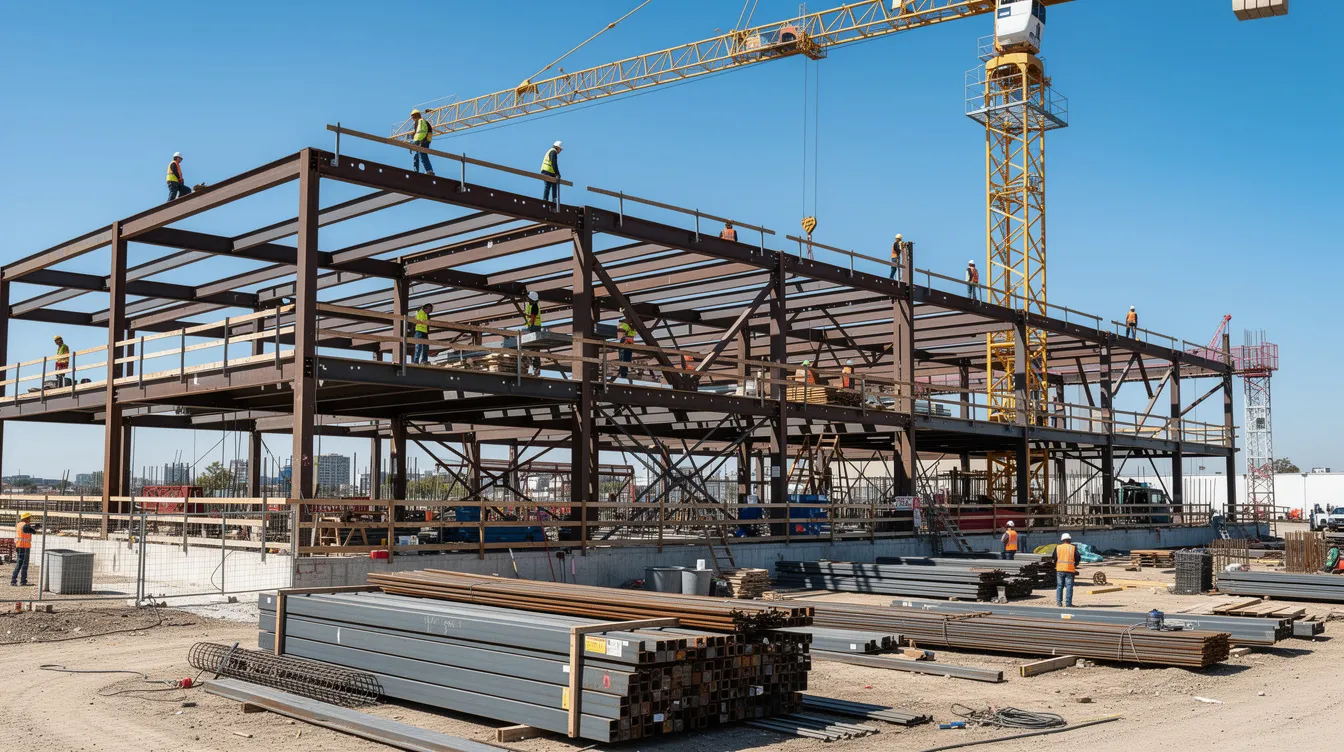
Heavy commercial, industrial, and infrastructure work along the I-40, I-75, and I-24 corridors is most exposed. These projects consume large volumes of structural steel, concrete, and MEP components, all categories where prices are moving aggressively. Tennessee projects tied to healthcare expansion, data centers, manufacturing facilities, and public infrastructure face overlapping demand for the same volatile materials.
Backlog quality now matters more than backlog volume. A $12 million backlog might suggest six months of future production, but if half that work carries underpriced risk on open packages, the backlog generates exposure rather than profit. Firms need to separate “busy” from “profitable” using updated construction estimates and rigorous risk analysis. Readers looking for broader context on recent Tennessee construction economics updates will find supporting analysis in ABC Greater Tennessee’s prior market intelligence coverage.
Where Cost Pressure Is Hitting Tennessee Bids First
Material costs and labor availability are the two critical factors compressing margins on Tennessee bids right now. Here are the categories creating the most immediate risk:
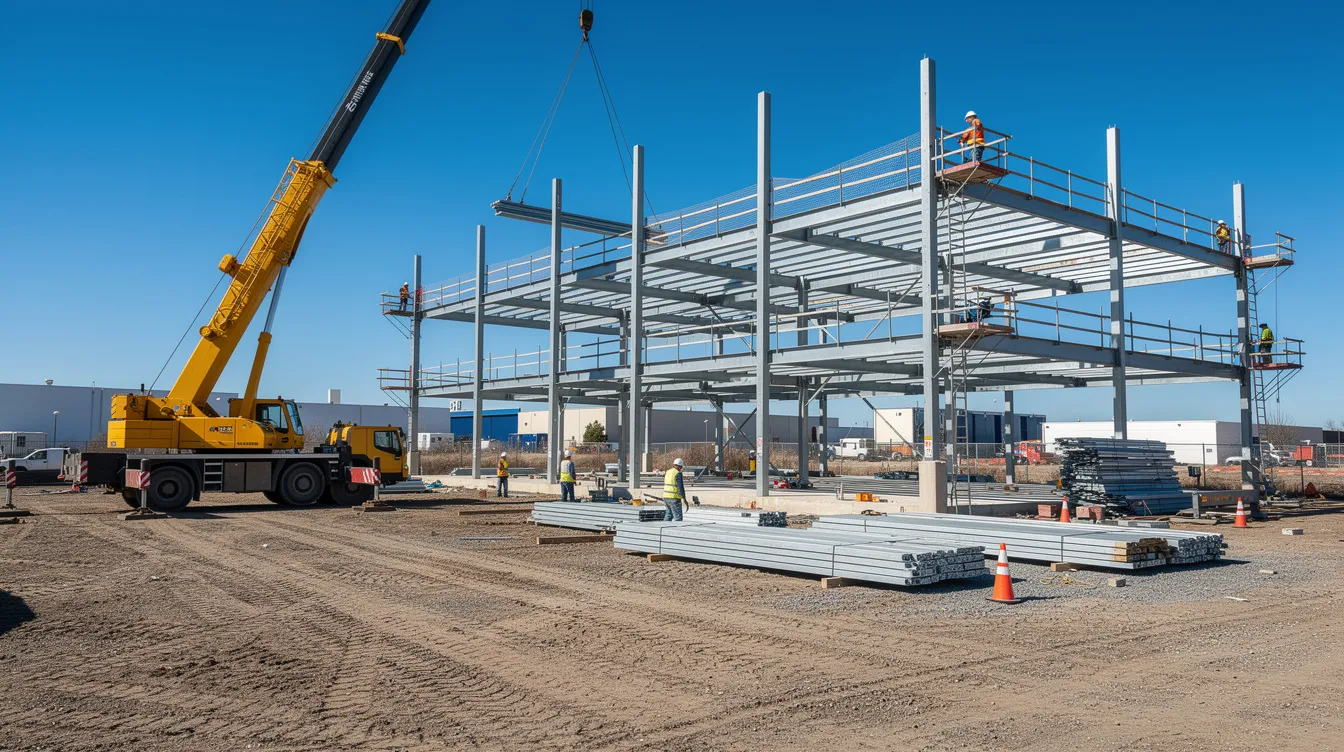
- Structural steel and rebar. Steel mill products are up approximately 22.5 percent year over year nationally. Fabricated structural steel packages, rebar, and miscellaneous metals have long supply chains and are tariff-sensitive. Any Tennessee project with open steel buyout is exposed.
- Electrical switchgear and distribution. Copper and brass mill shapes are up roughly 18.4 percent year over year. Switchgear, panels, and distribution equipment for commercial and industrial work face both price and lead-time risk. Aluminum mill shapes are up about 40.5 percent.
- Mechanical equipment. RTUs, chillers, VRF systems, and large HVAC units combine price volatility with extended fabrication timelines. Inventory shortages and overseas manufacturing delays compound the problem.
- Concrete adjacent inputs. Liquid asphalt is up approximately 45.2 percent year over year. Cement, aggregates, and admixtures are following upward trends in many Tennessee markets. Diesel fuel, up roughly 44.2 percent, magnifies delivered cost for every cubic yard.
- Roofing and insulation. These scopes track inflation in energy, metal, and chemical inputs. Weather and labor scheduling add further unpredictability.
- Fuel-intensive logistics. Diesel is up about 44 percent year over year, affecting every material moved by truck. Lumber is up about 9.9 percent. Any scope requiring transport from outside the immediate market area carries compounding freight costs.
These price spikes are particularly painful on high-square-foot, heavy-structure projects like hospitals in Nashville, manufacturing expansions near Chattanooga, and logistics facilities along I-75 and I-24. Quote validity windows on key packages have shortened across Tennessee. Construction estimators who still rely on 60- to 90-day assumptions are underpricing risk. Subcontractor pricing in Middle Tennessee is reacting faster than in some East Tennessee markets, and those regional differences affect competitive positioning on multi-region bids. Even a flat national index can hide significant local volatility in freight, supply, and labor.
How The Spike Changes Construction Estimates And Preconstruction Assumptions
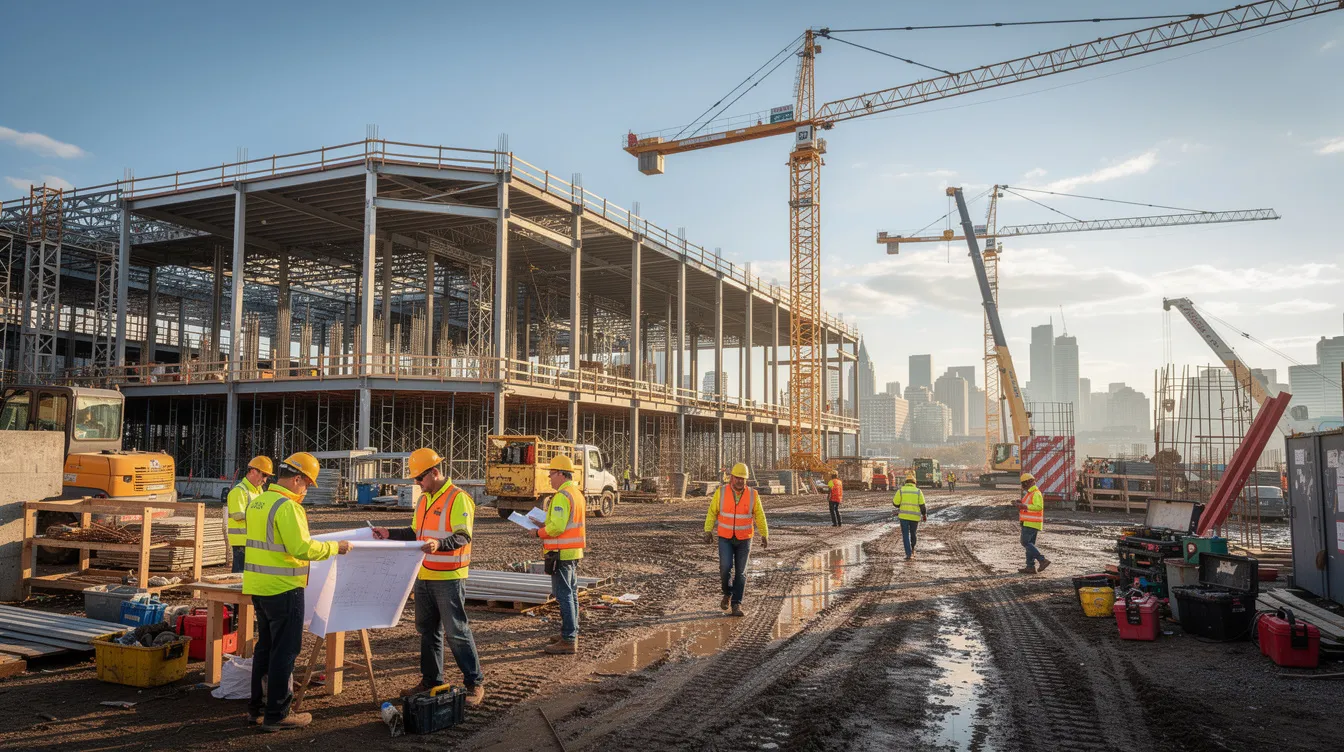
Every Tennessee contractor with live bids or recently awarded work should treat this moment as a forced recalibration of preconstruction assumptions. Here is what needs to change:
- Refresh material pricing immediately. Update any construction estimates built with quotes older than 30 to 45 days on volatile trades (steel, electrical, mechanical, roofing) before submission or buyout. A 3 to 5 percent miss on labor hours or material inputs can eliminate profit on jobs where net margins already sit at 5 to 10 percent.
- Tighten bid validity periods. Match your proposal language to the shortest vendor quote in your chain. If your steel supplier’s price holds for 14 days, a 90-day bid validity window creates unhedged exposure your company cannot afford.
- Increase contingencies for project complexity. Mission-critical facilities like healthcare buildings and data centers carry higher design and coordination risk. Contingency allocation typically adds a 5 to 15 percent buffer, and current conditions justify using the upper end of that range on complex projects.
- Use granular allowances and alternates. Replace broad per-square-foot assumptions with item-specific allowances and alternates for big-ticket materials. This gives owners transparency and gives your team flexibility when prices move mid-design.
- Align project management overhead with reality. When prices shift during design, change orders multiply, coordination effort increases, and project timelines stretch. Budget for the management overhead that volatility creates, not just the raw material price increase.
Accurate estimates help avoid taking on “bad work,” the kind of construction that fills the schedule but destroys profitability. ABC Greater Tennessee’s guidance on protecting margin before bid day offers a deeper framework for structuring estimates that can absorb sudden moves.
Escalation Clauses That Actually Work In Tennessee Contracts
Escalation clauses have moved from optional to essential in 2026 Tennessee contracts. If your firm is submitting bids without material escalation protection, you are absorbing risk that the market no longer expects you to carry. Here is what effective clauses include:
- Covered materials or trades. Be specific. Name the categories: structural steel, concrete, copper wiring, mechanical equipment, roofing. Broad language gets negotiated out; targeted language gets accepted.
- Reference cost index or documented quote history. Tie adjustments to a defined benchmark: PPI subcategory, a specific supplier’s quoted price at bid date, or a documented historical data baseline. This removes subjectivity from the adjustment process.
- Trigger threshold. Define a percentage change (commonly 5 percent or more above the baseline) that activates the clause. Anything below the threshold stays with the contractor as normal business risk.
- Owner notification and adjustment process. Spell out notice timing, required documentation (vendor quotes, invoices, index data), and the timeline for price adjustment approval. Owners and construction managers in Tennessee are more receptive to targeted escalation language when contractors present clear, data-backed reasoning.
- Align with realistic buyout timing. Contract structure affects how backlog levels influence project pricing. Tie escalation coverage to actual buyout dates, not just notice to proceed. Explicitly cover long-lead equipment fabricated overseas or structural steel from out-of-state mills.
- Avoid double counting. Pair escalation clauses with allowances and contingencies carefully so you don’t stack protections on the same scope. Communicate this clearly in proposals, so your pricing remains competitive and transparent.
Review all escalation language with legal and accounting to ensure it is enforceable, consistent across projects, and integrated with your broader project management and change order practices.
Buyout Timing, Procurement Sequencing, And Q4 2026 Strategy
The next 60 to 90 days will define margin outcomes on a significant share of Tennessee construction projects entering 2027. Here is the tactical playbook:
- Re-map buyout schedules now. Project management teams in Nashville, Knoxville, Chattanooga, and the Tri-Cities should review every active construction project before year-end to identify which packages are still exposed to additional material price increases.
- Lock in high-risk categories early. Commit structural steel, major mechanical and electrical gear, and roofing as soon as feasible. Keep finishes, interiors, and lower-volatility site scopes more flexible.
- Align buyout with fabrication and shipping timelines. Matching procurement to realistic delivery schedules reduces schedule delays, not just construction cost exposure. This is especially important on congested hospital, campus, and industrial sites where staging and sequencing are already tight.
- Coordinate across departments. Close alignment between estimating, project management, and field supervision ensures procurement decisions reflect real crew capacity, labor needs, and site sequencing rather than just price timing. Projects with strong team alignment deliver cost performance 6.5 percent below budget on average.
- Track quote expirations systematically. Digital tools can cut hours from the estimating process and help Tennessee firms monitor vendor quote windows, lead times, and material price movements in real time. Construction management software designed for procurement tracking is worth the investment during volatile periods.
Regional Differences: Nashville, Knoxville, Chattanooga, And The Tri-Cities
Tennessee is not one market. Pricing pressure, labor availability, and backlog dynamics vary meaningfully across the state’s major construction corridors.
- Nashville and Middle Tennessee. The highest pressure market for construction backlog and pricing. Healthcare, office, and data center work drive premium labor rates and tighter quote windows. Electricians in Nashville earn about $29.39 per hour, and skilled craft wages continue climbing. Subcontractor competition is fierce. Quote validity periods are the shortest in the state.
- Knoxville and East Tennessee. Solid industrial and institutional demand, but with more variability in labor availability, site conditions, and permit complexity. Mountain access, rural delivery logistics, and terrain challenges can complicate construction estimating and add unpredictable costs.
- Chattanooga and the I-75 and I-24 corridors. Freight and manufacturing expansion corridors where steel, concrete, and roofing consumption is very high. Proximity to some suppliers helps, but heavy demand pushes up premiums for fast delivery. Any national materials spike is amplified here by volume.
- Tri-Cities (Kingsport, Johnson City, Bristol). Local trade depth is more limited. Travel, per diem, and lodging for crews must be priced carefully, often adding 3 to 5 percent or more to installed costs compared to urban centers. Field labor availability and fewer volume suppliers magnify material cost exposure.
Contractors operating across several of these markets should build separate regional unit-price and labor-productivity benchmarks by location rather than assuming a single Tennessee average.

Backlog Quality: Turning Price Volatility Into Better Project Selection
A healthy backlog demonstrates proof of market demand for construction services and signals contractor confidence and stable activity. A high backlog increases pricing power and the ability to select more profitable projects. But backlog serves as a primary economic indicator of a construction firm’s health and capacity only when it reflects real profitability, not just volume.
- Define backlog quality practically. Realistic margins after updated material pricing, achievable schedules with current staffing, strong owners with reliable funding, well-scoped construction drawings, and clear specifications. If any of these factors are missing, the project adds risk, not value.
- Test backlog and pricing together. In a rising material price environment, construction backlog and pricing must be evaluated as a pair. Jobs that looked attractive six months ago may now fall below margin targets once updated construction costs are applied. Backlog impacts a contractor’s ability to price work according to market conditions and demand.
- Watch for warning signs. Excessively high backlog can create schedule strain and margin erosion when it carries more work than current capacity can support. Low backlog pressures contractors to bid aggressively and accept lower profit margins. Backlog can also signal potential revenue decline if it drops too low. The goal is a balanced, profitable pipeline.
- Run periodic backlog scrubs. Leadership, accounting, and project management should review every major project’s remaining margin using refreshed construction estimates and vendor quotes at least quarterly.
- Know when to reprice, qualify, or walk. When updated estimates show a project sits below your minimum margin threshold even with escalation clauses and realistic contingencies, it may be smarter to decline or qualify heavily. Accurate estimates help avoid taking on bad work. Lenders, sureties, and bonding companies favor firms that actively manage backlog and avoid signing up for underpriced work during volatile periods. Backlog is a key indicator of financial stability, and managing it well protects your construction business long term.
Protecting Margin While Keeping Crews Busy
Tennessee contractors need enough work to keep core craft professionals and project management staff fully utilized. Backlog helps contractors plan staffing and resource decisions across quarters. But loading up on low-margin work to fill the schedule creates safety, quality, and profitability problems that compound over time.
- Tighten preconstruction to win better work. Stronger escalation clauses, more precise estimates, and disciplined risk analysis allow firms to pass on the riskiest future projects while still winning profitable ones. Early value engineering can preserve margin without sacrificing project scope or outcomes.
- Anchor workforce investments to multi-year backlog. Multi-year industrial or healthcare projects in Nashville or Knoxville can justify apprenticeship and training investments in electrical, carpentry, plumbing, and HVAC crafts. This reduces labor shortages over time and builds internal capacity instead of paying premium rates to traveling crews.
- Protect people and margin together. Safe, well-managed jobs protect both profitability and workers. ABC Greater Tennessee’s safety programs and STEP participation support safer, more predictable project outcomes. Fewer incidents mean fewer delays, less rework, and better project profitability.
- Hold the line on ethics and quality. Even when material prices and capacity pressures tempt shortcuts, safety, ethics, and quality must remain non-negotiable in project selection. These are competitive advantages for merit shop contractors, not luxuries.
Immediate 30-Day Action Plan For Tennessee Contractors
Print this list. Work through it with your leadership team before Q4 commitments lock in.
- Re-run construction estimates on all live bids and major backlog projects using updated material pricing for steel, concrete inputs, electrical gear, mechanical equipment, and roofing.
- Review and tighten escalation clauses, allowances, and bid validity language on every proposal going out before Q4 2026 and early 2027.
- Stress test each significant project in your construction backlog under three pricing scenarios: small, medium, and large additional material spikes, combined with realistic labor and schedule shifts.
- Schedule a joint estimating, project management, and field leadership meeting focused solely on procurement sequencing and buyout priorities for the next 90 days.
- Implement a simple tracking tool for vendor quote expiration dates and square-foot unit-cost benchmarks by region within Tennessee. Even a shared spreadsheet is better than no system.
- Revisit internal net profit targets per project, aligning them with current risk levels so “win rates” do not improve at the expense of long-term profitability.
- Review ABC Greater Tennessee’s guidance on preconstruction planning in Tennessee and protecting margin before bid day as companion resources.
- Connect with ABC Greater Tennessee for market intelligence briefings, safety training, estimating services support, and workforce development resources. Do not navigate this pricing environment alone.

How ABC Greater Tennessee Helps Members Navigate Construction Backlog And Pricing
ABC Greater Tennessee serves as a regional hub for market intelligence, merit shop advocacy, and practical contractor support across Middle and East Tennessee. The chapter translates national and state-level economic data into actionable Tennessee construction economics updates that help members make informed decisions about bidding, pricing, and planning.
- Market intelligence. ABC Greater Tennessee monitors construction industry indicators, materials pricing trends, and labor data, then delivers that analysis in a format contractors can use on bid day and in the field.
- Workforce pipeline. The chapter’s Construction Trades Academy provides registered apprenticeships in electrical, carpentry, plumbing, HVAC, and other trades through training operations in Nashville and Knoxville. Building internal capacity reduces the labor-driven cost pressure that makes every material spike worse.
- Safety and compliance. OSHA training, STEP participation, and safety resources protect workers and project margins by reducing incidents, schedule delays, and rework on Tennessee projects.
- Peer networking and advocacy. Management education, peer forums, legislative advocacy, and the merit shop model help member firms compete on safety, engineering excellence, ethics, and performance in a volatile pricing environment.
If your company is heading into Q4 without a clear plan for managing backlog, pricing, and procurement risk, now is the time to engage. Reach out to ABC Greater Tennessee before 2027 planning and budget commitments are locked in.
FAQ: Construction Backlog And Pricing For Tennessee Contractors
These frequently asked questions address practical timing, risk, and decision-making issues for contractor executives, estimators, and project management teams navigating materials volatility across Middle and East Tennessee.
How often should we revisit pricing on projects that are already in our backlog but not fully bought out?
At minimum, review material and labor pricing quarterly on all multi-month projects. For high-volatility scopes like steel, electrical gear, and mechanical equipment, monthly checks are essential. Flag any project with a major package still open to buyout beyond 60 days for immediate repricing and potential escalation discussions with the owner. Managing this process is critical to maintaining feasibility on awarded work.
When does it make sense to walk away from a new bid because of materials volatility?
Walk away when updated construction estimates show margin below your firm’s minimum threshold even after applying strong escalation language and realistic contingencies. Projects with unclear funding, incomplete design, highly compressed schedules, or extreme project complexity combined with volatile materials are prime candidates to decline or qualify heavily. Protecting your resources and scale of operations matters more than winning every pursuit.
Should smaller Tennessee firms use escalation clauses, or will that make them less competitive?
Even smaller merit shop contractors need protection. Targeted, well-explained escalation or allowance language is far better than absorbing unlimited risk on materials you cannot control. Communicate clearly with owners and construction managers about why you include clauses. Pair them with disciplined estimating and transparent documentation, not broad markups. Most owners in the current market understand the need when the reasoning is backed by data.
How can we quickly tell if our backlog is “busy” but not profitable?
Pull a simple report comparing original estimated margin to current forecasted margin on every active job after updating key material and labor assumptions. Flag any project where forecasted margin has dropped more than a defined percentage from the original estimate. Schedule focused review sessions with project managers and accounting to course correct or renegotiate where possible. This process also helps confirm whether your backlog is enough work at the right margin, or just volume that masks exposure.
What is one practical step we can take this week to reduce pricing risk on 2027 work?
Schedule a one-hour internal review session with estimating, project management, and leadership to standardize escalation language and bid validity periods across all proposals headed out this quarter. Pair that session with an immediate refresh of live supplier quotes for steel, concrete, electrical, and mechanical packages on your largest 5 to 10 projects in pursuit or early negotiation. This single meeting can shift how your firm approaches every bid for the next 90 days.