
Key Takeaways
- Construction robotics can add value to repetitive, bounded, and data-driven tasks, but Tennessee contractors still need a clear line between automation support and human decision-making.
- The most important jobsite question is not whether to use automation. It is where automation should stop and who has authority to pause, approve, or override it.
- For ABC Greater Tennessee members, that boundary should be written into project operations, safety planning, and pilot procedures before a robotic system reaches the field.
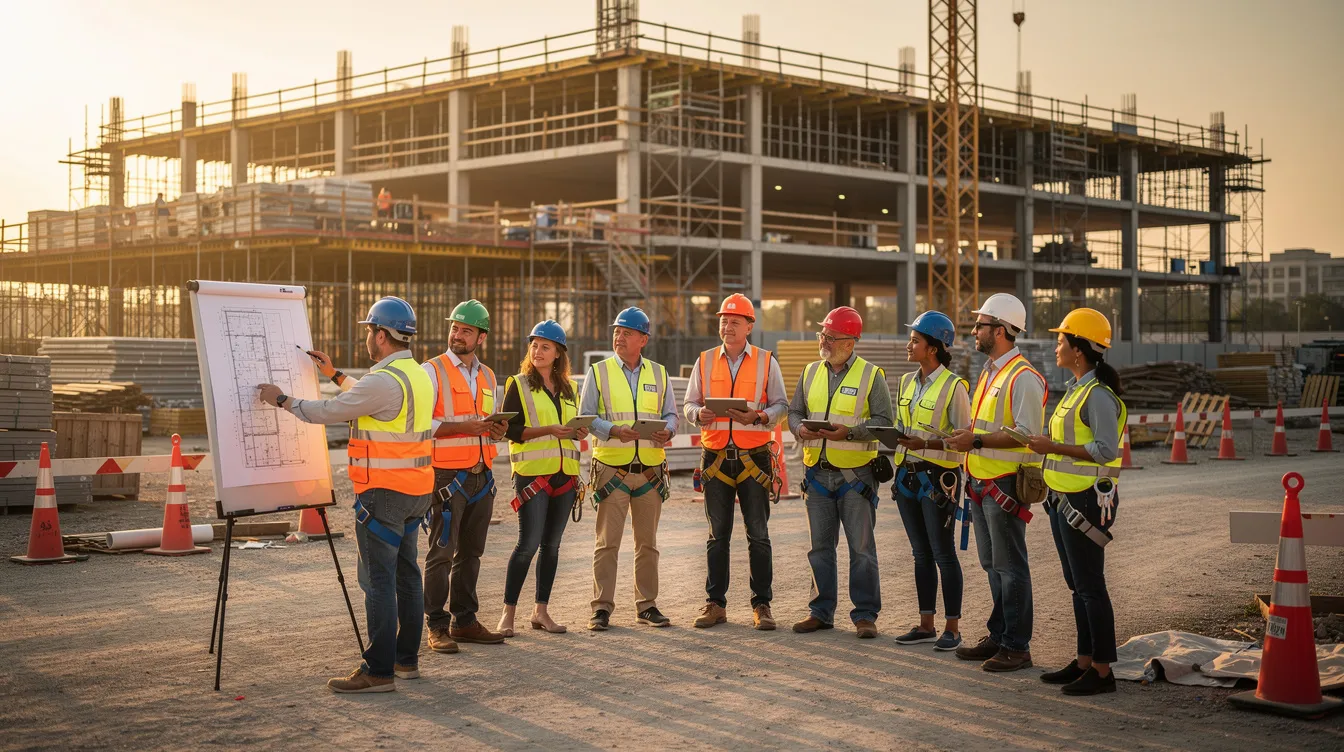
- This article offers a practical stop/go/human-review framework for construction robotics, along with governance steps Middle and East Tennessee contractors can use on active jobsites now.
Why Construction Robotics Raises a Control Question on Tennessee Jobsites
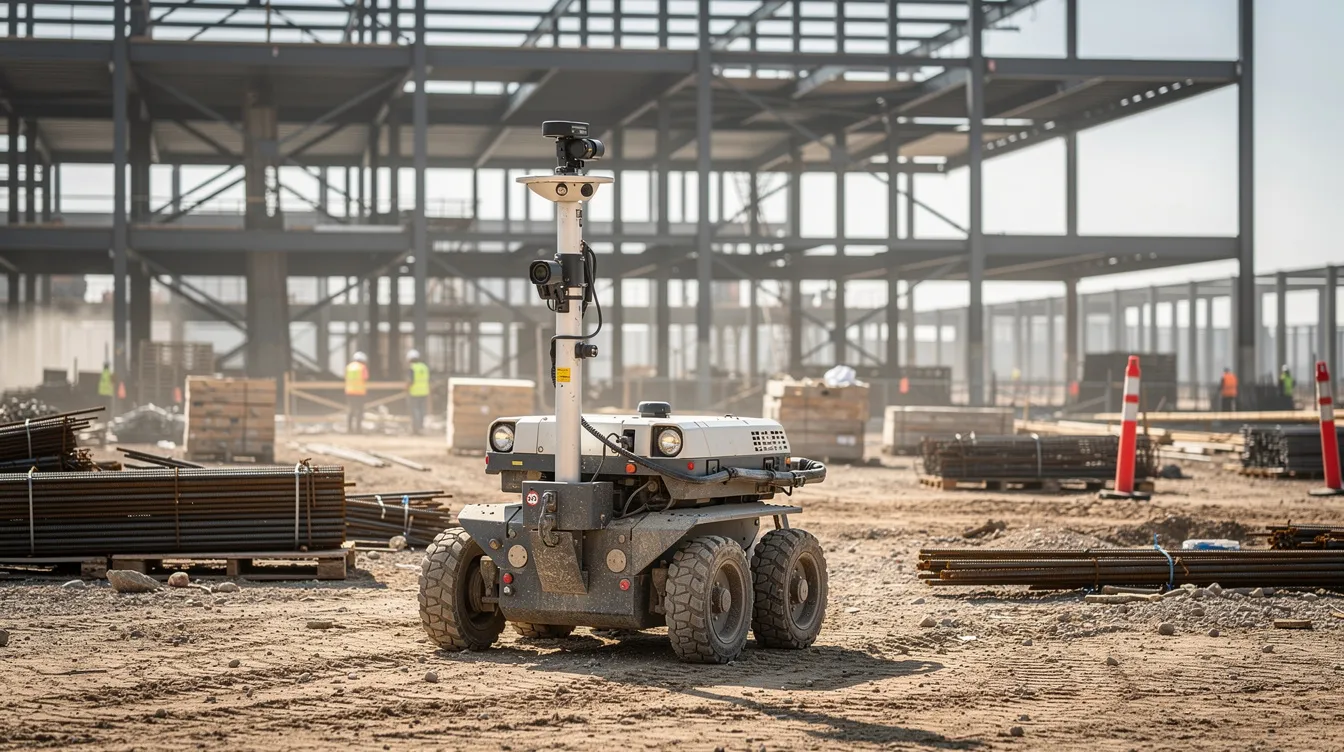
Construction robotics is no longer just a convention-floor concept. ABC’s 2025 Tech Report describes robotics, drones, laser scanning, and related field tools as part of the modern jobsite, and Construction Executive recently framed the next leadership issue clearly: automation should support better human decisions, not replace human judgment altogether.
That is the right question for contractors across Middle and East Tennessee. Whether a firm is managing healthcare work in Nashville, industrial projects near Knoxville, commercial growth in Chattanooga, or corridor work along I-40, I-75, and I-24, the challenge is not only whether a tool can perform a task. The harder question is where that tool should stop and who decides when conditions no longer support autonomous or semi-autonomous work.
For ABC Greater Tennessee members, this is not just a technology topic. It is a governance, safety, and operations issue. A robot that captures site progress, prints layout, assists with demolition, or supports material movement may improve consistency or reduce exposure on certain tasks. But no contractor should let a tool quietly take over decisions involving safety, changing field conditions, or coordination risk across multiple trades.
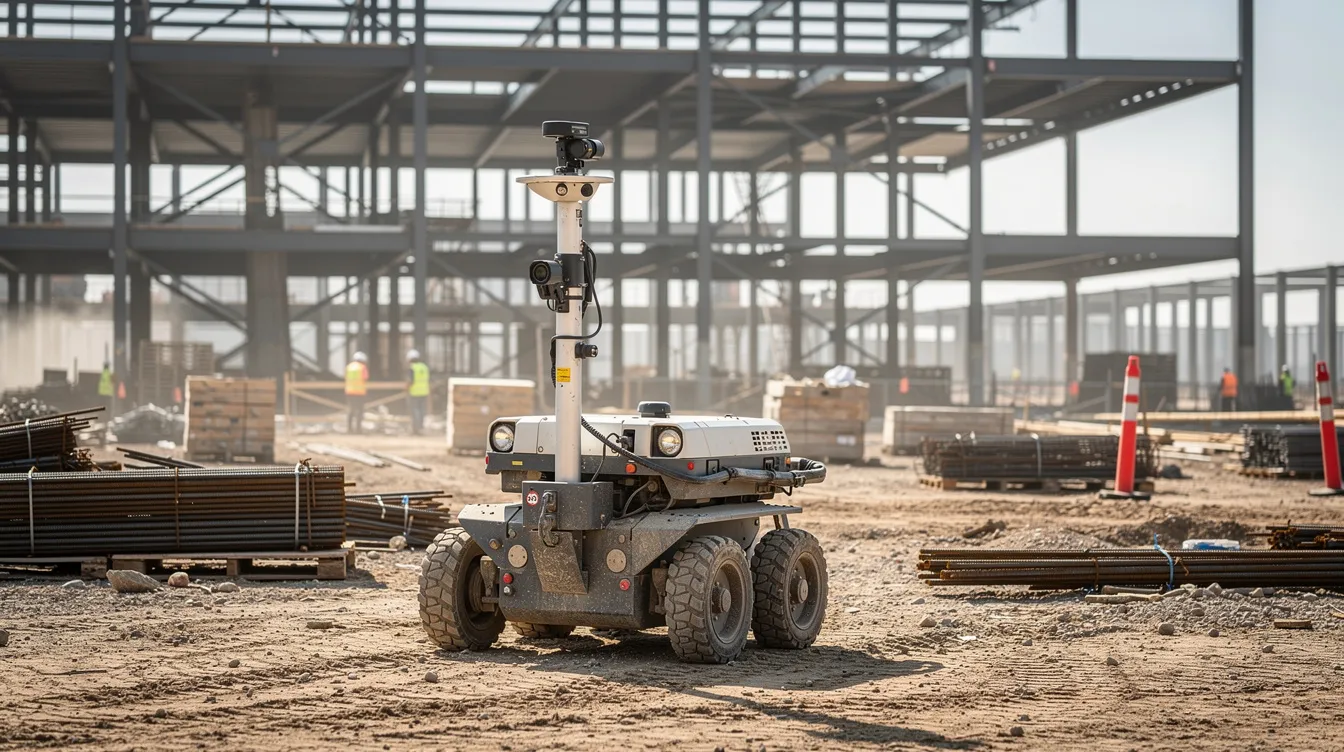
A useful distinction helps here. Construction robotics refers to physical systems operating in or around the built environment, such as robotic layout tools, site-documentation robots, robotic demolition equipment, or autonomous equipment functions. Construction automation is broader and can also include software workflows, AI-assisted review tools, and other digital processes. Both raise oversight questions, but physical robotics brings additional jobsite risk because people, equipment, and changing site conditions are involved at the same time.
What Construction Robotics Is Good At
Construction robotics tends to make the most sense where work is repetitive, bounded, physically demanding, or heavily tied to reliable project data. NIST’s construction automation materials describe a spectrum that ranges from field-deployable robots performing physical work to wearable and reporting systems that support human workers. That broad view still fits today’s conversation: these tools can extend what crews can do, but they do not remove the need for field leadership.
On Tennessee jobsites, robotics may be a reasonable fit for tasks such as:
- Layout and positioning support: Robotic layout systems can help transfer digital plans to the field more consistently than manual marking alone, especially on repeatable floor layouts or other controlled work areas.
- Reality capture and progress documentation: Mobile robots, drones, and related systems can collect photos, scans, and site-condition records on a schedule, improving visibility for project teams.
- Demolition in hazardous or confined areas: Robotic demolition equipment can keep workers farther from dust, unstable materials, or other immediate hazards while the work is performed.
- Material movement and logistics in defined paths: On larger sites with planned routes and controlled work zones, robotics may support internal movement of tools or materials.
- Earthwork or machine-control functions in well-defined environments: Automation can be useful where geofencing, stable site conditions, and verified data make equipment movements more predictable.
- Wearable support: Exoskeletons and other assistive systems may help reduce strain on workers performing repetitive or overhead tasks.
These are the kinds of uses where a contractor may gain better consistency, stronger documentation, or reduced worker exposure without surrendering control of the project. They work best when the operating area is defined, the inputs are dependable, and a competent human still checks whether the output matches field reality.
That last point matters. A tool may be very good at repeating a task. It is usually much less reliable at recognizing when a task no longer fits the conditions it was designed for.
What Construction Robotics Is Not Good At
Robotics still struggles when jobsite conditions become messy, ambiguous, or fast-changing. That is not a failure of the concept. It is simply the reality of commercial construction.
Most active construction sites in Tennessee are not controlled factory floors. They involve stacked trades, incomplete information, weather shifts, changing access, owner-driven adjustments, and constant sequencing decisions. Even a sophisticated system can struggle when actual conditions no longer match the plan, model, or route it was given.
Construction robotics is usually a poor fit for:
- Safety-critical judgment calls about whether work should continue
- Exception handling when hidden conditions, damaged work, or field conflicts appear
- Scope-change decisions that affect design intent, sequencing, or coordination
- Multi-trade conflict resolution in tight or rapidly changing work areas
- Life-safety or structural acceptance decisions that require a competent person’s evaluation
That is why the practical debate is not “robots versus people.” It is “which tasks remain tool-like, and which decisions must stay human-led?” Contractors get into trouble when they assume that line instead of writing it down.
Where Jobsite Automation Should Stop
Every contractor using construction robotics should define a stopping line before deployment. The stopping line is the point where automation must pause and hand control back to a person with project and safety authority.
That line should be visible in company procedures and reinforced in project-specific planning. At minimum, automation should stop and require human involvement in four situations:
- When safety judgment is involved. OSHA’s construction rules require contractors to maintain safe conditions and conduct frequent, regular inspections by competent persons. A robotic system can assist with information gathering, but it should not be the final authority on whether conditions are safe enough to proceed.
- When actual field conditions differ from the model or plan. If hidden utilities, access conflicts, damaged substrates, weather effects, or out-of-sequence work change the environment, a person should review the situation before the system continues.
- When scope, means, or sequencing could change. Automated systems should not unilaterally alter routing, installation logic, work sequence, or other project decisions that may affect cost, schedule, or downstream trades.
- When risk crosses employer lines. On multi-employer sites, a robotic action that affects another contractor’s people, access, or work area should trigger human coordination first.
This is also where contractors need to watch for automation bias. If a layout robot marks a slab, or a site-capture system flags a condition, crews may be tempted to trust the output because it looks objective or precise. But crews still have to check the output against field conditions. Technology can speed up work and improve visibility, but it should not bypass verification.
Consider a realistic example. A robotic layout system prints positions for work on a commercial floor in Nashville, but another trade has already introduced field changes that the model used for the print did not reflect. If no one checks the conflict before follow-on work begins, the resulting error spreads quickly. The tool did what it was told. The failure was in governance, not effort.
Who Should Decide the Boundary
The decision about what a construction robot may do on a project should not sit with a vendor alone, a software champion, or one enthusiastic project engineer. The contractor should own it and share it across leadership levels.
A practical governance model looks like this:
- Executive leadership sets company guardrails, risk tolerance, and approval standards for new robotics use cases.
- Operations leaders translate those guardrails into project-selection criteria, pilot procedures, and field expectations.
- Project managers decide whether a specific use case belongs on a given project based on scope, schedule, site conditions, and coordination demands.
- Superintendents and foremen retain the authority to stop, pause, or override robotic activity when field conditions change.
- Safety directors define the controls for exclusion zones, startup and shutdown, emergency stops, training, and non-routine servicing or troubleshooting.
Field users should also have a formal voice before deployment. That includes the people working alongside the system and, when relevant, subcontractors whose work areas or sequencing may be affected. Announcing a robotic tool after purchase is a common way to create resistance and miss practical warnings that could have been caught earlier.
This governance approach fits the merit shop model well. Decisions stay tied to safety, performance, and project needs rather than to hype, vendor pressure, or one-size-fits-all purchasing logic.
A Practical Stop/Go/Human-Review Matrix for Construction Robotics
Tennessee contractors do not need a long policy document to start. They do need a simple decision tool that site leaders can actually use.
Automate with standard checks: Use this category for repetitive, bounded tasks in stable conditions. Examples may include scheduled progress capture, routine scanning on defined paths, or material movement in a controlled area. Human checks still matter, but the task is predictable enough for routine use.
Automate with human review: Use this category when the system can perform part of the task, but a competent person must verify key inputs or outputs. Examples may include robotic layout tied to model data, machine-control functions near sensitive areas, or AI-assisted review tied to physical jobsite action. This is often the most realistic category for current construction robotics.
Keep human-only: Use this category for structural acceptance, life-safety decisions, work-stoppage calls, temporary-condition approvals, emergency judgment, and other decisions where human accountability cannot be delegated. If a wrong call could have severe consequences and field conditions may be changing, keep authority with people.
A simple matrix like this helps crews see that the issue isn’t whether technology is welcome. The issue is what kind of oversight belongs to each use case.
How to Pilot Construction Robotics Without Losing Control
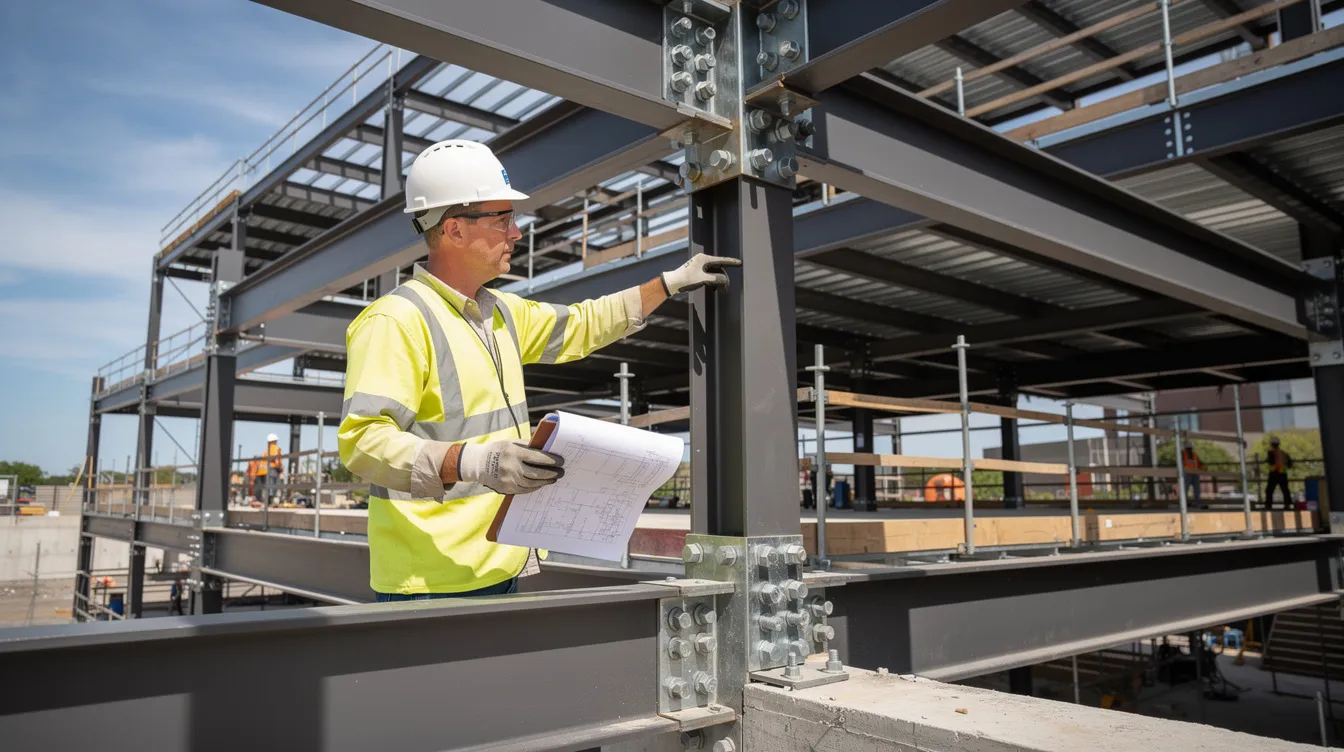
If a contractor wants to test construction robotics, the safest approach is a narrow pilot, not a broad rollout. ABC Greater Tennessee has already emphasized the value of stress-testing construction technology before buying, and that same mindset applies here.
Keep the first pilot tightly defined:
- One project or project phase
- One primary task family
- One accountable leader
- One clear end date and review point
Before the pilot begins, define what success means. That may include better documentation quality, reduced worker exposure on a particular task, less manual rework, or improved schedule visibility. Just as important, define the stop criteria in advance. If the system creates confusion, increases coordination risk, or introduces new safety concerns, the team should know when to pause and reevaluate.
Training should happen before the first field use, not after a near miss or failed shift. Crews need to know where the system can operate, who can stop it, what abnormal behavior looks like, and how emergency shutdown works. OSHA’s robotics guidance also notes that many robot incidents occur during non-routine tasks such as programming, maintenance, testing, setup, or adjustment. Contractors should treat those moments as high-risk, not secondary details.
After the pilot, capture lessons in a repeatable checklist. Then decide whether the technology should become standard practice, stay limited to niche uses, or be set aside for later. A broader technology roadmap for Tennessee contractors can help place robotics inside a larger operating strategy instead of treating it as a standalone experiment.
Managing Safety and Liability When Robots Share the Jobsite
Adding robotics to a project does not reduce a contractor’s existing responsibilities. It changes where some hazards appear and how teams must control them.
That means robotics should be folded into existing safety systems, not handled as a side topic. Practical steps include:
- Include robotic systems in pre-task planning and job hazard analysis
- Train competent personnel on startup, shutdown, and emergency-stop procedures
- Set rules for exclusion zones, access, and human-machine interaction
- Document inspection and service routines
- Treat programming, setup, maintenance, and troubleshooting as higher-risk activities that require tighter control
For many firms, this topic also overlaps with broader digital-safety planning. ABC Greater Tennessee’s construction safety technology playbook can help members think about how robotics, monitoring tools, and connected field systems fit together.
Liability questions also deserve early attention. If a robotic system affects another employer’s work area, if collected data becomes part of project documentation, or if the tool is being operated under a vendor-supported arrangement, the contractor should understand responsibility before deployment, not after an incident.
What This Means for Middle and East Tennessee Contractors
Regional conditions make this topic practical now. Contractors in Middle and East Tennessee are managing busy healthcare, commercial, industrial, and infrastructure work with tight coordination demands and ongoing pressure to do more with the crews they have. In that environment, construction robotics may look appealing for layout, documentation, logistics, or selected high-exposure tasks.
But local relevance does not change the core rule: Tennessee projects are still dynamic, multi-employer environments. That is exactly why the boundary around automation matters. A robotic tool may be useful on one hospital floor plate, one industrial pad, or one demolition phase, yet inappropriate for broader autonomous decision-making once field conditions shift.
Merit shop contractors can treat robotics as a performance tool, not a replacement for leadership. The advantage comes from disciplined adoption: matching the tool to the task, clearly defining human authority, and refusing to delegate judgment where judgment still belongs.
Next Steps for ABC Greater Tennessee Members
Start with one current or planned use case. Write down the task, the operating conditions, the stop/go/human-review category, and the person who has override authority in the field. If that information is hard to define, the system is probably not ready for open-ended deployment.
Then review the pilot with superintendents, safety leaders, project managers, and any affected trade partners before work begins. That short exercise will usually reveal whether the technology is being introduced as a controlled tool or as an assumption.
ABC Greater Tennessee members can also use the chapter’s technology, safety, and management-education resources to build better decision processes around robotics and automation. The goal is not to slow innovation. It is to keep innovation accountable to the jobsite.
Frequently Asked Questions About Construction Robotics
Below are answers to common questions about this topic.
How do we choose the first construction robotics use case?
Start with a task that is repetitive, well-defined, and limited in scope rather than one that depends on constant field judgment. Good early candidates are usually documentation, layout support, or other bounded activities where a human can easily verify the output.
Should superintendents have authority to stop a robotic system?
Yes. If the system is operating on an active jobsite, field leaders should have clear authority to pause or override it when site conditions, sequencing, or safety concerns change. That authority should be explicit, not assumed.
Do we need a separate robot policy for every project?
Most contractors can start with a company-level robotics and automation policy, then adapt it through project-specific safety planning, pre-task review, and pilot procedures. The key is to define the use case, authority chain, and stop conditions for each site.
What is the biggest mistake contractors make with construction robotics?
One of the biggest mistakes is treating a tool as self-governing because it appears precise or advanced. The safer approach is to treat robotics as an aid that still depends on human oversight, especially when conditions no longer match the assumptions built into the task.
How can smaller Tennessee contractors evaluate robotics without overcommitting?
Use a narrow pilot, rental arrangement, or vendor-supported trial tied to one task and one review period. Keep the success criteria and stop criteria simple. The point is to test fit and control, not to prove that every project needs robotics right away.