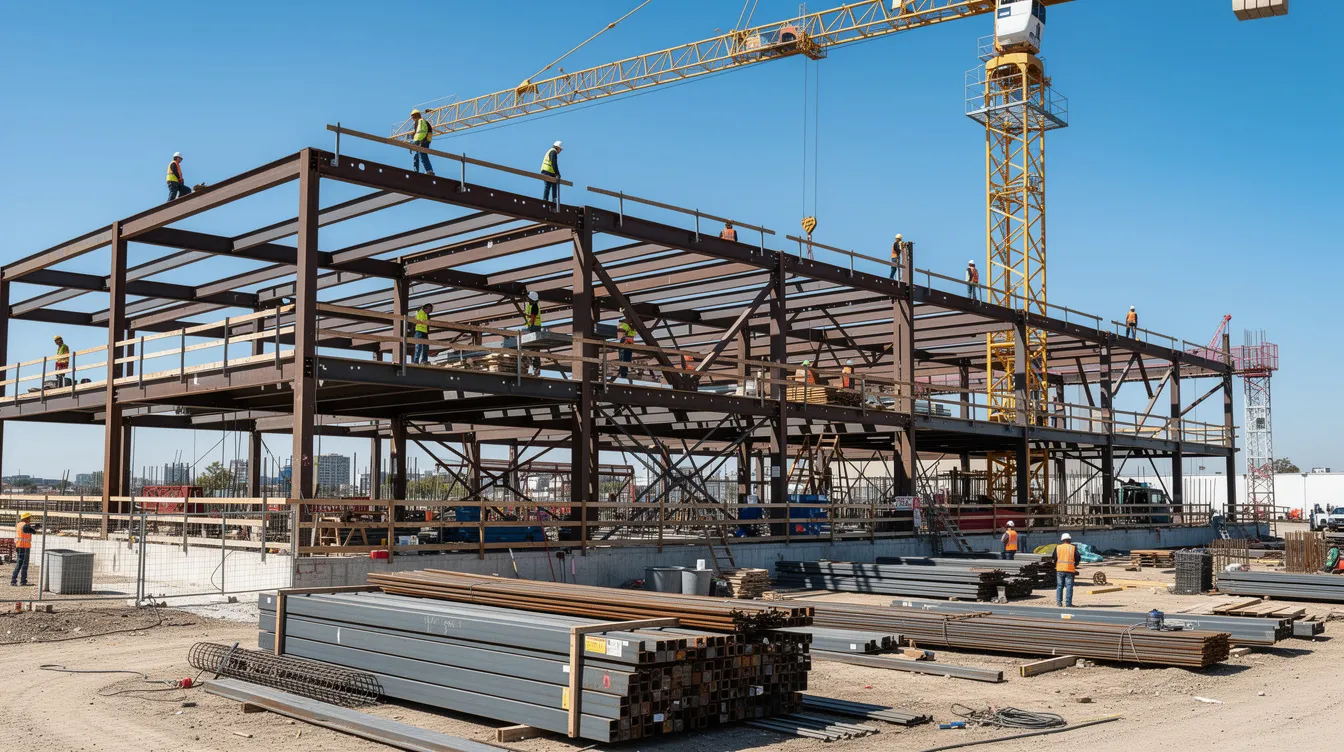
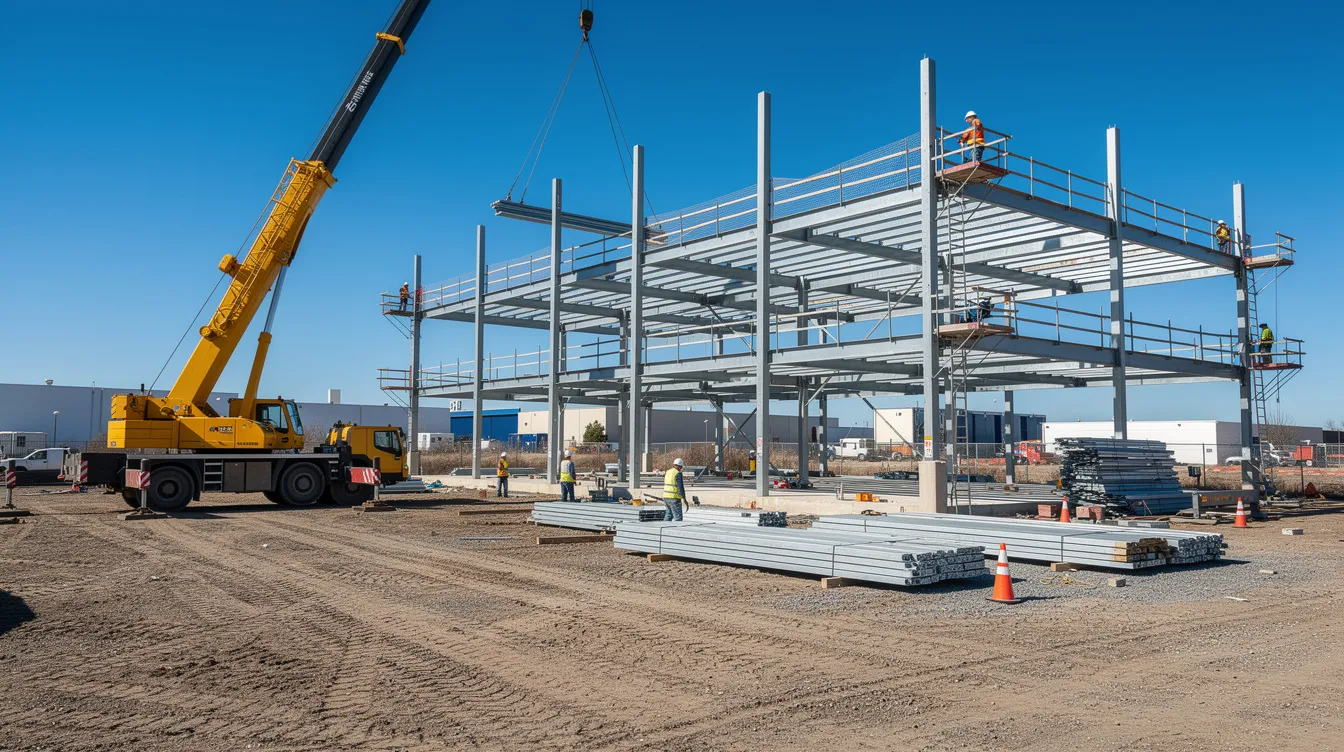
Every serious electrical incident on a construction site has a paper trail that often starts in preconstruction. For Tennessee contractors, the real question is not just whether crews know the rules. It is whether the project team identified utility conflicts, temporary power needs, training gaps, and coordination risks before anyone plugged in a cord or worked near energized equipment.
That is where electrical safety construction decisions matter most: before mobilization, before energization, and before schedule pressure turns a preventable risk into a field problem.
Key Takeaways
- Electrical safety construction decisions made during preconstruction, including utility coordination, temporary power planning, training verification, and documentation, shape how safely a project starts and how reliably it runs.
- OSHA says almost all construction employers must consider electrical hazards such as electric shock, electrocution, fires, and explosions, and it requires employers to train workers to recognize and avoid unsafe conditions.
- Owners and general contractors can spot early warning signs before work starts: no clear temporary power plan, unclear shutdown coordination, weak training records, or generic hazard assessments that do not reflect the actual site.
- ABC Greater Tennessee members can use the chapter’s Safety Programs and Construction Trades Academy resources to strengthen training, documentation, and field readiness.
- This article closes with a practical pre-mobilization checklist and a simple owner/GC review tool teams can use before the first pour or power-up.
Why Electrical Safety Construction Starts in Preconstruction
Most electrical incidents do not begin with a random moment in the field. They begin earlier, when a project team skips key planning steps: incomplete utility information, no temporary power strategy, vague shutdown responsibilities, or unrealistic sequencing around energized work.
OSHA’s construction guidance states that almost all construction employers must consider electricity-related hazards, including electric shock, electrocution, fires, and explosions. That makes electrical planning as much a preconstruction issue as a field issue.
In Tennessee, that matters on fast-moving healthcare, industrial, mixed-use, and corridor projects where schedules compress quickly. In Nashville, Knoxville, Chattanooga, and along the I-40, I-75, and I-24 corridors, teams often face tight sites, renovation tie-ins, phased occupancies, and pressure to energize on aggressive timelines. The best time to control those risks is before mobilization, when project managers, estimators, superintendents, safety leaders, and trade partners can still set clear expectations.
What OSHA Actually Expects on Construction Electrical Hazards
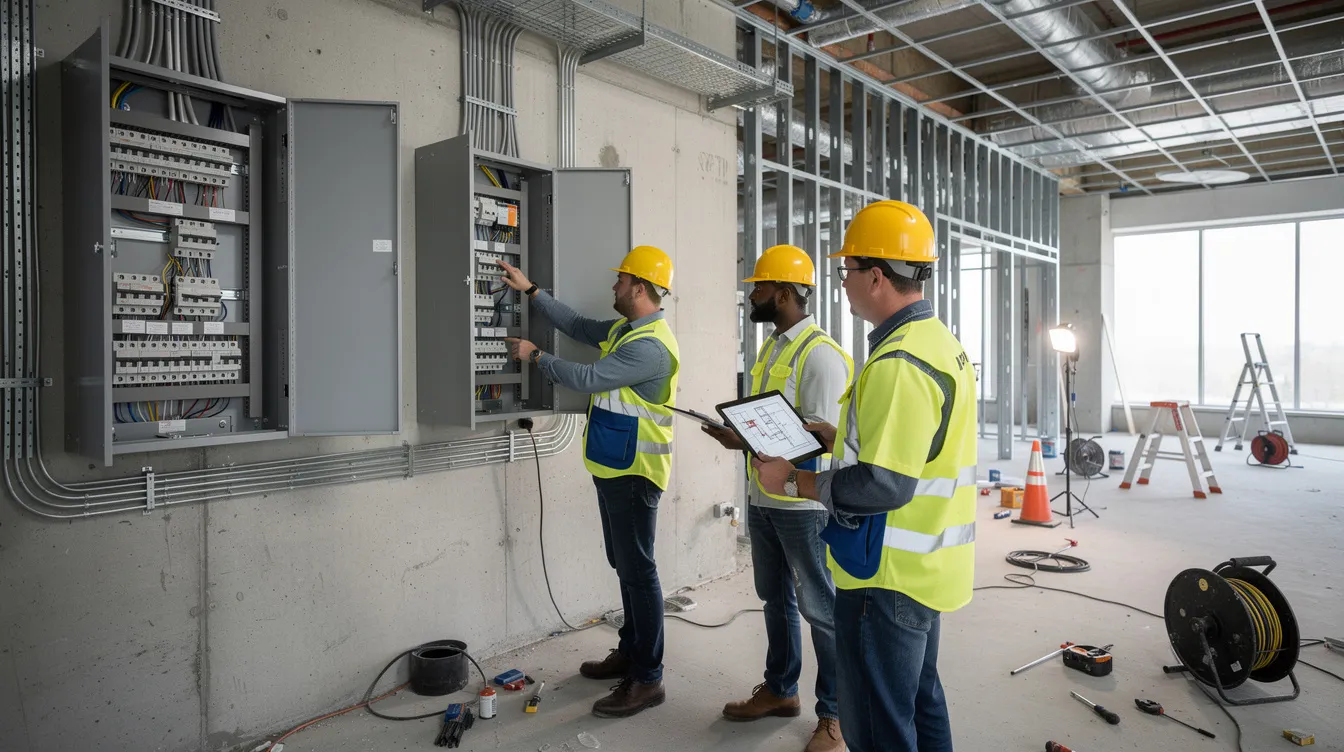
OSHA’s electrical construction standards protect employees from electric shock, electrocution, fires, and explosions. OSHA also cites 29 CFR 1926.21(b)(2), which requires employers to instruct each employee to recognize and avoid unsafe conditions and understand the regulations that apply to the work environment.
Just as important, OSHA’s construction quick-start guidance says employers must provide frequent, regular inspections of job sites, materials, and equipment by competent persons designated by the employer. For contractors, that means electrical risk control is not limited to one orientation talk. It must show up in planning, supervision, inspection, and task-level communication.
Tennessee operates a state occupational safety and health plan, so contractors should make sure their construction electrical safety practices are consistent, documented, and usable across projects. For multi-employer job sites, teams should also clarify who owns coordination tasks when one contractor’s work can affect another’s exposure to electrical hazards.
Bid-Stage and Preconstruction Red Flags Owners and GCs Should Catch Early
To improve electrical safety outcomes, start by looking for weak signals before work begins. Many jobsite problems are visible in proposals, safety submittals, and preconstruction meetings.
Common red flags include:
- No clear temporary power plan. The team cannot explain distribution, equipment locations, weather protection, or how receptacles and cords will be managed.
- Unclear responsibility for energization and shutdowns. No one has defined who coordinates outages, who controls disconnects, or how affected trades will be informed.
- Generic safety paperwork. The electrical safety language could apply to any job and does not address the actual site, renovation conditions, utility exposure, or sequencing constraints.
- Weak training records. The subcontractor cannot readily verify who has completed relevant training or who will serve in key supervision and competent-person roles.
- No job briefing process. The contractor talks about safety in general terms but cannot describe how it will review task-specific electrical hazards before work starts.
- Unrealistic scheduling around energized conditions. The baseline schedule shows no time for shutdown coordination, inspections, testing, or adjustment before power-up.
These are not paperwork issues alone. They are early indicators of schedule risk, rework risk, and preventable exposure for workers and nearby trades.
A Tennessee Preconstruction Review Tool: Four Questions to Ask Before Mobilization
To differentiate this process from a generic safety article, use this simple four-part review in every electrical preconstruction meeting. It gives owners, general contractors, and trade partners a fast way to test whether the plan is truly field-ready.
| Review Area | Question to Ask | What a Strong Answer Includes |
|---|---|---|
| Utility exposure | Do we know what existing overhead, underground, and building electrical systems could affect the work? | Marked utilities, renovation tie-in awareness, shutdown constraints, and who is responsible for updates |
| Temporary power | Can the team explain how temporary power will be installed, protected, inspected, and adapted as phases change? | Layout, protection method, inspection expectations, weather planning, and change-control responsibility |
| Workforce readiness | Do the right people have the training, authority, and availability to manage electrical risk on this job? | Named supervisors or competent persons, verified records, and site presence at critical milestones |
| Coordination discipline | Have shutdowns, job briefings, inspections, and cross-trade communications been built into the schedule? | Defined meetings, sequencing windows, approval steps, and documented communication paths |
If a project team cannot answer these four questions clearly, the issue is not just compliance. It is readiness.
Hazard Assessment for Electrical Work in Tennessee Conditions
Hazard assessment during preconstruction should reflect actual project conditions, not boilerplate language. The aim is to identify where electrical exposure is likely to develop and what controls the team will use before crews arrive.
Useful assessment topics include:
- Overhead and underground utility conflicts
- Existing building systems in renovation, healthcare, or occupied-facility work
- Temporary power routing in wet, outdoor, high-traffic, or corrosive environments
- Shared work areas where multiple employers may affect disconnects, panels, or exposed systems
- Site logistics that increase cord damage, access issues, or congestion near electrical equipment
Regional context matters. Downtown Nashville and Knoxville projects can involve dense utilities and limited laydown space. Chattanooga industrial work may involve older infrastructure or more complex sequencing with operating systems. Healthcare work anywhere in the state can add strict shutdown windows and occupancy constraints. A credible hazard assessment should reflect those realities, assign responsibilities, and update as conditions change.
Utility Coordination and Temporary Power Planning Before Mobilization
Utility coordination is one of the clearest tests of preconstruction discipline. If the team has not identified service points, site constraints, and utility interfaces early, field improvisation becomes much more likely.
An effective process typically includes:
- Early coordination with relevant utilities and required locate processes
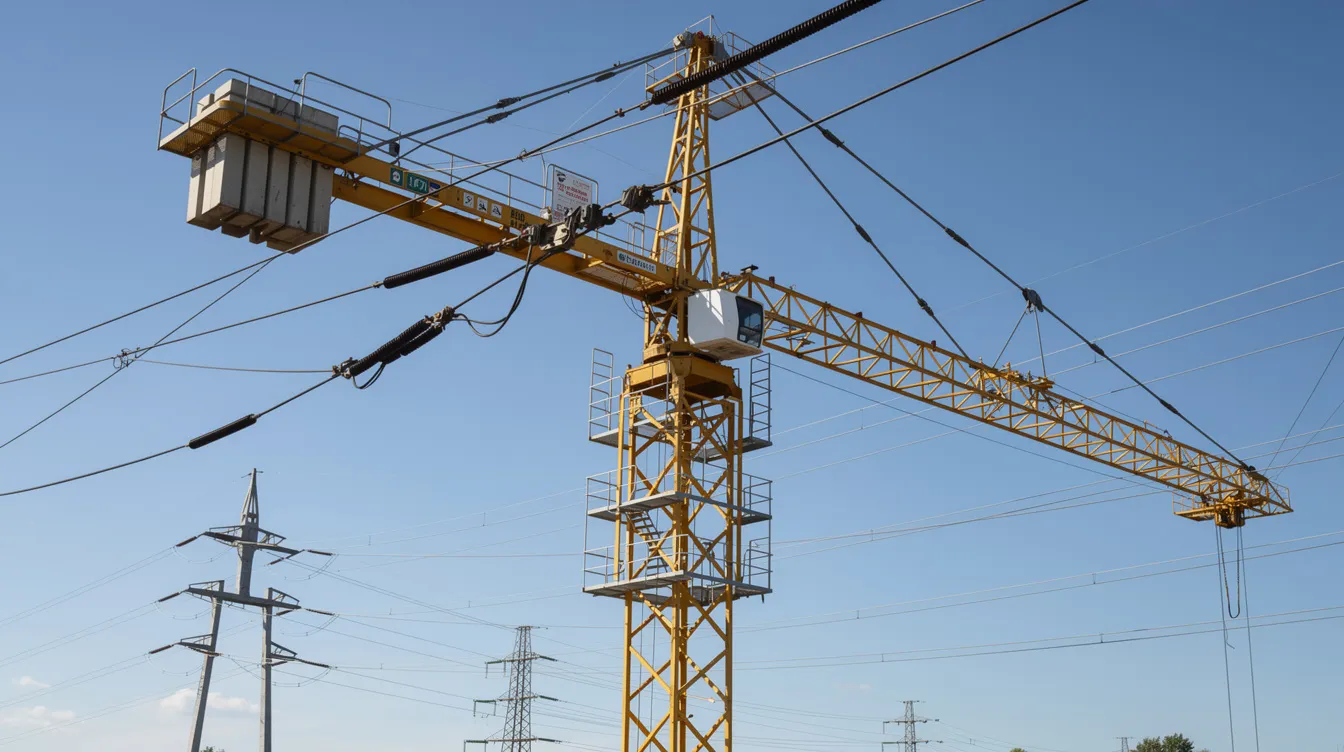
- Mapping overhead and underground utility conditions that could affect access, excavation, deliveries, lifts, or temporary installations
- Documentation of service responsibilities, shutdown requests, and communication paths
- Schedule allowances for inspections, adjustments, and power-up coordination
A sound temporary power plan should also define how power is distributed, how connections and equipment are protected from weather and damage, how changing phases will be handled, and how inspections will be performed. The value is operational as much as regulatory: fewer surprises, fewer unsafe workarounds, and better schedule control.
Owners and GCs should require temporary power and utility coordination as dedicated preconstruction agenda items, not as an item to be passed over in a general safety discussion.
Ground Fault Protection, De-Energizing Coordination, and Common Field Controls
Several electrical controls are predictable enough that teams should address them before mobilization, not after the fact.
Ground fault protection. OSHA requires GFCI protection for construction sites on 120-volt, single-phase, 15- and 20-amp receptacle outlets that are not part of the permanent wiring, unless the employer uses an assured equipment grounding conductor program where permitted. Preconstruction should identify which approach will be used, where it applies, and how compliance will be checked.
De-energizing and shutdown coordination. Where work may involve existing systems or shared equipment, teams should define who requests shutdowns, who authorizes them, who verifies the condition before work starts, and how affected parties are informed. On multi-employer jobs, ambiguity here can create serious exposure.
Tool, cord, and equipment controls. Preconstruction should establish how portable cords, tools, and temporary equipment will be inspected, removed from service when damaged, and protected from water, traffic, and other site conditions. This is especially important on phased jobs where temporary setups evolve over time.
Access and working space. Teams should identify areas where access to electrical equipment could become obstructed by storage, temporary walls, or trade stacking, then plan controls before those conflicts appear in the field.
PPE expectations. The hazard assessment should define when electrical PPE or other protective measures may be required based on the work being performed and the conditions present.
The goal is not to turn preconstruction into a code seminar. It is to make sure predictable electrical exposures have owners, procedures, and inspection points before work begins.
Training, Competent Persons, and Workforce Capacity
Electrical safety construction planning is only as strong as the people available to execute it. A contractor may have a written plan, but if the right supervisors, qualified workers, or designated competent persons are not available when critical work occurs, the plan breaks down fast.
Contractors should verify:
- Who is responsible for electrical hazard coordination on the project
- Whether that person will actually be present during shutdowns, energization, or other high-risk milestones
- Whether training records are current and accessible
- Whether new workers and trade partners will receive job-specific instruction, not just general orientation
ABC Greater Tennessee supports this part of the process through its Safety Programs and Construction Trades Academy. The chapter describes its education programs as hands-on craft and safety training in Nashville and Knoxville using NCCER curriculum, which gives contractors a practical local resource for building stronger field readiness over time.
If your team sees recurring gaps in electrical supervision or workforce preparation, that is not just a hiring issue. It is a preconstruction risk signal that should affect staffing decisions, sequencing, and go/no-go conversations before mobilization.
Documentation That Demonstrates Electrical Readiness
Owners, general contractors, and insurers increasingly want to see whether a contractor can document readiness, not just talk about safety culture. For electrical risk, the most useful documentation is usually straightforward:
- A project-specific electrical safety or hazard-control plan
- Utility coordination records
- Temporary power planning notes or layouts
- Training verification for key roles
- Pre-task or job briefing forms for higher-risk work
- Inspection and corrective-action tracking
ABC Greater Tennessee’s Safety Programs page also highlights STEP and OSHA training resources, which can support broader safety management systems and help firms structure documentation more consistently.
A simple dashboard can help project teams confirm whether pre-mobilization items are complete: utilities identified, temporary power reviewed, training verified, shutdown responsibilities assigned, and corrective items closed. That kind of clarity helps differentiate a contractor that manages electrical risk proactively from one that plans to solve it later in the field.
A Practical Pre-Mobilization Checklist for Electrical Safety Construction
Use this one-page checklist in preconstruction meetings and update it before mobilization, before major phase changes, and before energization events.
| Checklist Item | Responsible Party | Date Completed |
|---|---|---|
| Existing overhead, underground, and building electrical systems identified | ||
| Utility coordination responsibilities assigned | ||
| Temporary power layout reviewed for distribution, protection, and phasing | ||
| Ground fault protection approach identified | ||
| Shutdown and de-energizing communication process defined | ||
| Electrical hazard assessment completed and shared with affected trades | ||
| Competent-person or supervision roles assigned | ||
| Training records verified for key personnel | ||
| Tool, cord, and temporary equipment inspection process established | ||
| Initial electrical job briefing scheduled | ||
| Critical schedule milestones include inspection and coordination time | ||
| Corrective items from preconstruction review closed or assigned |
Owners and GCs can use this checklist as a bid-stage and pre-mobilization filter. If an electrical subcontractor cannot answer these items clearly, the risk is already visible.

Regional Realities Across Middle and East Tennessee
The same checklist will not look identical on every job. Nashville high-rise and mixed-use work may require more attention to congestion, existing utilities, and phased energization. Knoxville healthcare and campus projects may demand tighter shutdown coordination and communication with occupied facilities. Chattanooga industrial work may put more pressure on renovation tie-ins, existing infrastructure, and multi-trade sequencing around active systems.
That is why the practical value of electrical safety construction planning isn’t having a binder on a shelf. It is in adapting the same disciplined review process to different project types and different Tennessee market conditions.
What Tennessee Contractors Should Do This Week
Schedule a 30-minute electrical preconstruction review for one active upcoming project. Put the project manager, superintendent, safety lead, and electrical trade lead in the same conversation. Then test the job against the four review questions in this article:
- Do we clearly understand utility exposure?
- Do we have a workable temporary power plan?
- Are the right people trained and assigned?
- Have you built coordination steps into the schedule?
If the answer to any of those is vague, fix it before mobilization. That is where the best risk reduction still lives.
For contractors that want stronger systems behind those conversations, ABC Greater Tennessee offers local support through its Safety Programs and Construction Trades Academy. Those resources can help firms strengthen safety training, workforce readiness, and the operational discipline that keeps electrical hazards from becoming preventable losses.

Frequently Asked Questions About Electrical Safety Construction Planning
Below are answers to common questions about this topic.
How early should electrical safety construction planning begin?
It should begin during early preconstruction, when the team reviews site conditions, utility impacts, sequencing, and staffing. Waiting until mobilization is too late for many of the most important decisions, especially on renovation, healthcare, industrial, or multi-employer projects.
Who should lead the electrical safety plan on a multi-employer project?
The controlling employer or general contractor usually coordinates the broader site process, but the electrical contractor and any affected trades need clear responsibilities. The key is not title alone. It is documented ownership of shutdowns, communication, inspections, and task-level hazard controls.
What is the most common preconstruction warning sign?
One of the most common signs is vagueness. If the team cannot explain temporary power, utility coordination, shutdown steps, or who owns electrical hazard communication, the project isn’t ready for a safe start.
What documentation matters most to owners and GCs?
Project-specific hazard assessments, utility coordination records, temporary power planning, key training verification, and inspection or corrective-action tracking are usually more useful than generic safety statements. They show whether the team has translated policy into action on the job.
How can smaller Tennessee contractors improve electrical planning without a large safety department?
Start with a standardized checklist, a defined pre-mobilization review meeting, and clear responsibility assignments for utilities, temporary power, training verification, and inspections. Then use resources such as ABC Greater Tennessee’s Safety Programs and Construction Trades Academy to strengthen training and consistency over time.