Key Takeaways
Connected rental technology is changing fleet management in construction by giving contractors clearer, faster visibility into rented and owned equipment across active job sites. For firms working across Middle and East Tennessee, this can improve day-to-day decisions about when to rent, redeploy, or release equipment that is no longer earning its keep.
- Modern connected rental tools can combine GPS location data, engine hours, utilization reporting, maintenance alerts, and rental-status information in one place.
- The biggest operational value isn’t just seeing where equipment is, but whether it’s being used enough to justify the cost.
- Mixed-fleet visibility matters for Tennessee contractors managing projects across Nashville, Knoxville, Chattanooga, and the I-40, I-75, and I-24 corridors.
- Construction Executive has highlighted the broader shift toward connected rental technology in construction operations, while rental providers and OEM platforms continue expanding connected-worksite and mixed-fleet tools.
- ABC Greater Tennessee offers related guidance on digital construction tools, a connected construction playbook, and a broader technology roadmap for contractors.
Why Connected Rental Tech Matters Now for Fleet Management in Construction
Fleet management construction decisions used to start with a simple question: where is the machine? Today, for many contractors, the better question is whether the machine should still be on that project, still on rent, or still in the fleet at all.
That is where connected rental technology changes the conversation. Instead of relying on scattered phone calls, paper logs, or separate rental portals, contractors can review live equipment data and make faster decisions about usage, maintenance timing, billing visibility, and redeployment. The result is a more disciplined way to manage rented and owned equipment across multiple jobs.
That matters in Tennessee, where contractors may be moving aerial lifts, generators, earthmoving equipment, and support assets among projects in Nashville, Knoxville, Chattanooga, and the Tri-Cities. Mobilization takes time, duplicate rentals add cost quickly, and idle equipment can go unnoticed unless someone reviews the data consistently.
What Connected Rental Technology Actually Is
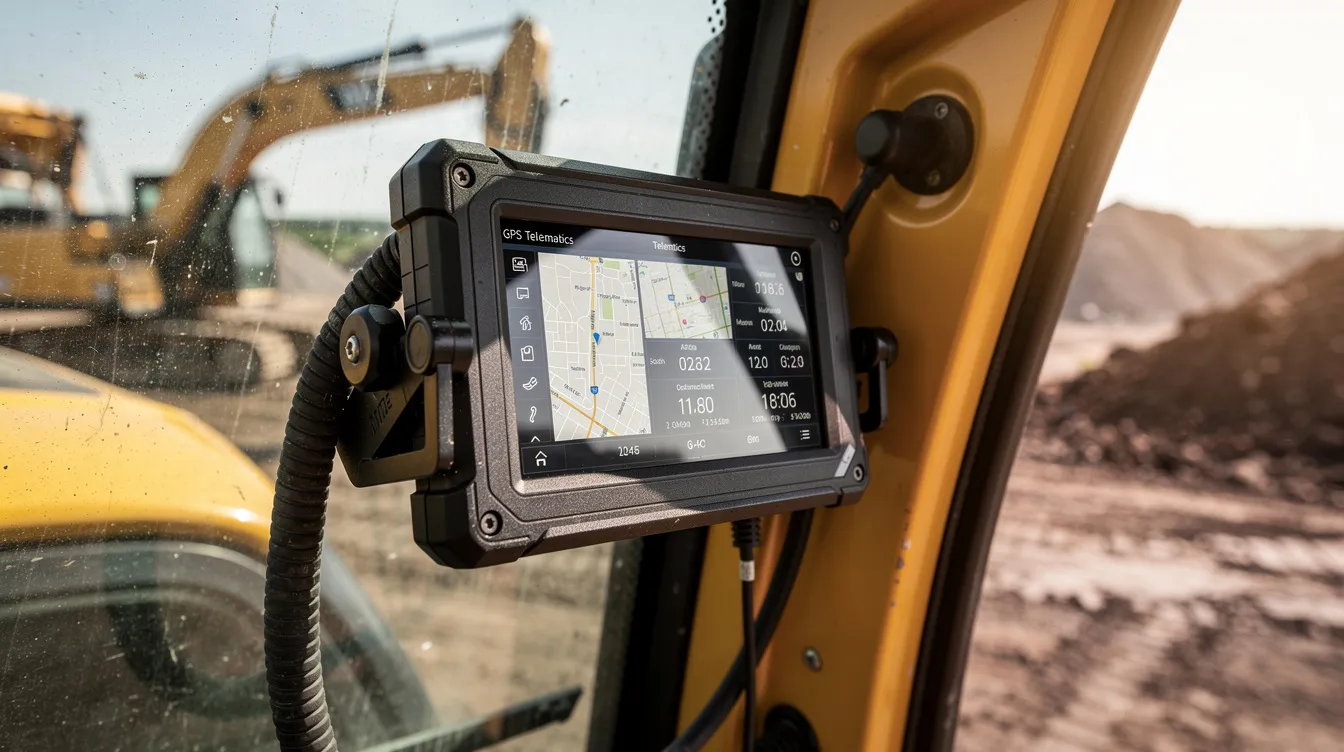
Connected rental technology refers to the combination of telematics-enabled rental fleets, GPS-based asset visibility, equipment utilization reporting, maintenance alerts, and digital rental-management tools that help contractors monitor equipment in near real time. It goes beyond basic location tracking.
Simple GPS data may tell you where a machine is parked. Connected rental tools can also show whether it has been running, how many hours it has been used, whether fault alerts have appeared, and whether a rental is still active on a project where demand has already dropped.
Common components include:
- Telematics data from rented and owned equipment
- Utilization dashboards that compare run time to idle time
- Maintenance and service alerts based on hours or machine health signals
- Rental records and status updates tied to equipment assignments
- Mixed-fleet visibility tools that bring data from more than one brand or provider into one view
This broader connected-worksite direction is visible across the market. United Rentals said in February 2025 that connected-worksite solutions can link people and equipment through data to improve safety, productivity, and sustainability. Caterpillar said in June 2025 that VisionLink helps customers manage mixed fleets by providing a unified view across many equipment brands, including activity, fault alerts, and service needs.
How Telematics Changes Day-to-Day Fleet Operations
On a typical commercial project, a contractor may be juggling owned equipment, short-term rentals, and specialty machines from more than one provider at the same time. Telematics helps turn that complexity into something easier to manage.
Instead of waiting for end-of-week updates, equipment managers and project leaders can review current location, engine-hour patterns, idle time, service flags, and basic utilization trends. That makes it easier to answer practical questions such as:
- Is this machine being used enough to justify keeping it on rent?
- Is another jobsite carrying an asset that could be moved instead of renting a second one?
- Is a service issue developing early enough to plan around it instead of reacting after a breakdown?
- Are field teams using the equipment where it was assigned, or has it drifted into a lower-value role?
For Tennessee contractors covering wide territory, that visibility can reduce wasted rental days and help project teams coordinate equipment moves earlier. It can also improve conversations between operations, fleet, and finance because everyone is looking at the same baseline information instead of different spreadsheets or email threads.
Some platforms may also support inspection workflows, maintenance records, or asset-status reporting, depending on the provider and how the contractor has set up its systems. Those tools can support internal processes, but they still need clear field accountability and should not be treated as automatic proof of compliance.
Four Equipment Decisions Connected Rental Data Improves
The best reason to invest attention in connected rental technology is that it improves real decisions, not just reporting.
1. Rent versus buy. Utilization history gives contractors a more grounded way to discuss whether a machine should stay in the rental pool or move into a capital-purchase conversation. The exact threshold will vary by company, asset class, project duration, and maintenance strategy, but connected data makes that review more concrete.
2. Move versus duplicate-rent. When one dashboard shows where equipment is and how actively it is being used, dispatchers can spot opportunities to redeploy an existing asset before ordering another rental for a nearby project.
3. Repair now versus react later. Fault alerts, engine-hour milestones, and machine-health data can help teams plan service before an issue becomes a more disruptive breakdown. That does not eliminate downtime, but it can make maintenance timing more deliberate.
4. Keep versus release. One of the most valuable uses of connected rental data is confirming when a machine is no longer earning its place on the job. If a rental has shifted into long idle periods, teams can review whether it still needs to be there or should come off rent.
Where Connected Rental Tech Protects Margins
Contractors do not need more equipment data for its own sake. They need clearer control over cost.
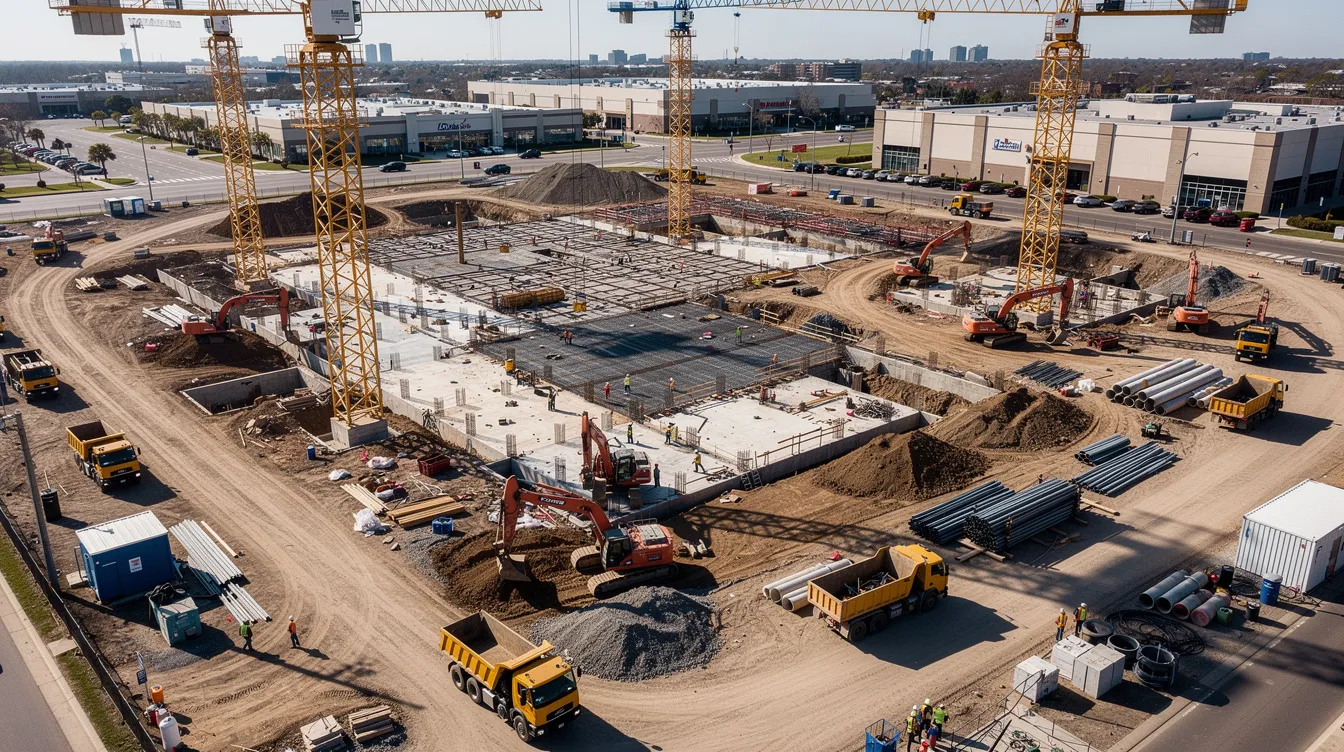
Connected rental technology helps protect margins by reducing avoidable rental days, cutting duplicate orders, flagging underused equipment earlier, and giving teams better timing on maintenance and release decisions. It can also strengthen rental-provider conversations because contractors can approach those discussions with actual usage history instead of rough impressions.
That is especially useful in a mixed-fleet environment. Tennessee contractors often work across several OEM and rental ecosystems at once, so the value of a connected approach depends heavily on whether they can review the data in one usable place. If leaders still have to compare multiple apps, portals, and spreadsheets manually, much of the benefit disappears.
ABC Greater Tennessee has already published related guidance on using digital construction tools to improve equipment cost control and asset visibility. This article builds on that broader digital-operations discussion by focusing specifically on connected rental decisions.
Regional Realities for Tennessee Contractors
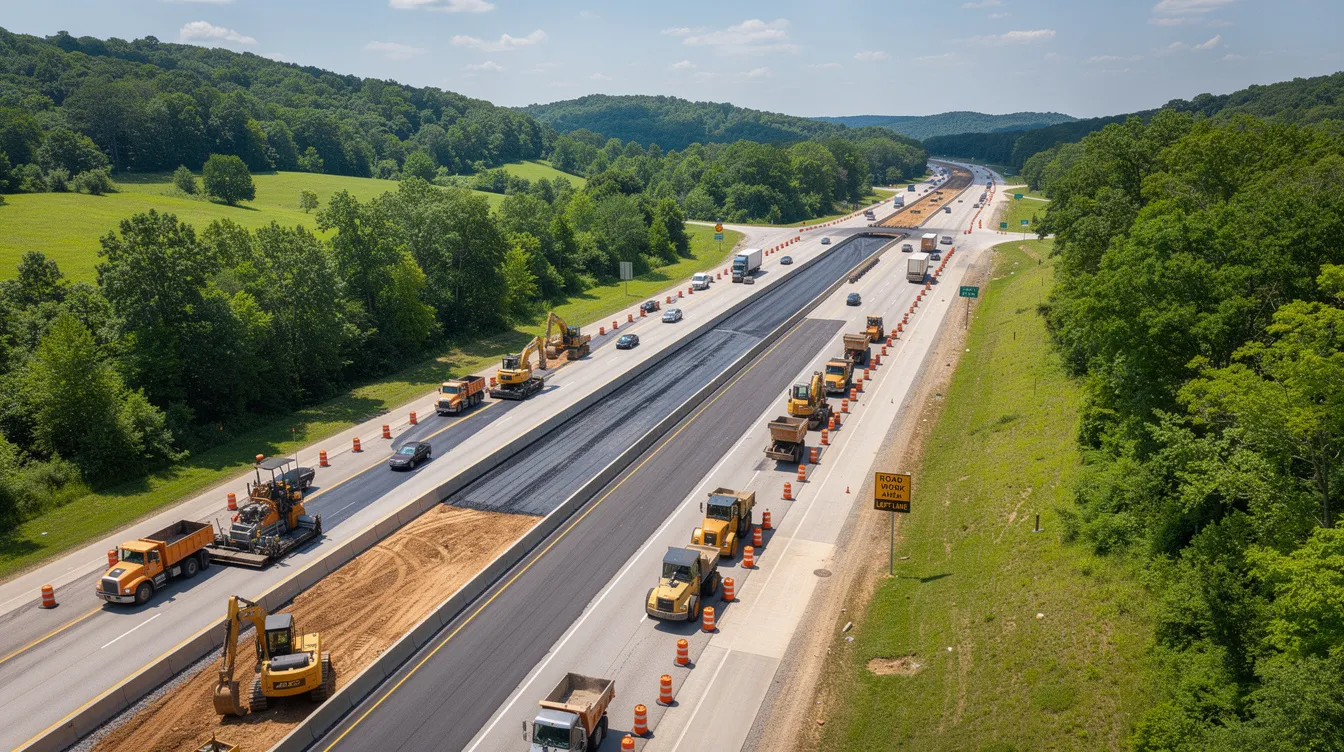
A contractor with active jobs in Nashville, Clarksville, Knoxville, and Chattanooga faces a very different equipment-management challenge than a firm working from one yard on one project. Distance, delivery timing, traffic, and project overlap all raise the cost of poor visibility.
That is why connected rental technology is more than a software discussion. If a generator is still on rent in one market while another project orders the same class of unit two hours away, the issue isn’t just data collection. It is operating discipline.
The regional logic is straightforward:
- Longer mobilization routes make late equipment decisions more expensive.
- Multiple active corridors increase the chance of duplicate rentals.
- Fast-moving projects make weekly or biweekly equipment reviews more valuable.
- Mixed ownership and rental strategies become harder to manage without shared visibility.
For contractors growing across Middle and East Tennessee, connected rental data can create a more repeatable system for managing those pressures.
Integrating Rental Platforms With Fleet Management Software
Integration matters because most of the value is lost if rented equipment and owned equipment live in separate systems with no shared reporting.
In practice, integration usually means confirming what data your rental partners can provide, how often it updates, and whether your internal fleet or project-control systems can ingest it usefully. Even a basic integration can improve visibility by standardizing asset names, hours, status descriptions, and project assignments.
A practical starting point includes:
- Choosing one pilot equipment category or one large project
- Confirming what telematics or usage data your rental provider can share
- Deciding who inside your company owns data quality and review cadence
- Standardizing a few key fields, such as asset ID, location, rental status, run hours, and idle hours
- Reviewing the output weekly with operations and fleet leaders
ABC Greater Tennessee’s broader technology roadmap offers a useful companion resource for contractors thinking through system integration and change management beyond equipment alone.
What Data to Watch First
Contractors do not need an endless dashboard. They need a short list of numbers that drive decisions.
For a connected rental pilot, start with metrics such as:
- Run hours versus idle hours
- Utilization by equipment class
- Rental start date compared with actual use patterns
- Service alerts or fault indicators that may require action
- Days since meaningful use on a specific jobsite
Those measures can support a weekly review rhythm that asks simple questions: keep it, move it, service it, or release it. That is far more useful than collecting dozens of fields that no one actually reviews.
A 60- to 90-Day Pilot Plan for Connected Rental Fleet Management
You do not need to overhaul your entire fleet strategy at once. A focused pilot is usually the better place to start.
Choose one project with meaningful rental activity or one equipment category that regularly moves between jobs. Establish a baseline first: what is currently on rent, how teams track it today, where visibility breaks down, and which decisions usually get made too late.
Then run a 60- to 90-day pilot built around a small set of review questions:
- Which assets are being used enough to justify staying on rent?
- Which assets show long idle periods?
- Which machines could be redeployed instead of duplicate-rented?
- Which service or fault alerts need earlier attention?
- Which data points are genuinely helping project teams act faster?
Keep both field leadership and whoever manages fleet or equipment strategy involved from the start. That improves adoption and prevents the pilot from becoming a back-office reporting exercise.
How ABC Greater Tennessee Can Support the Next Step
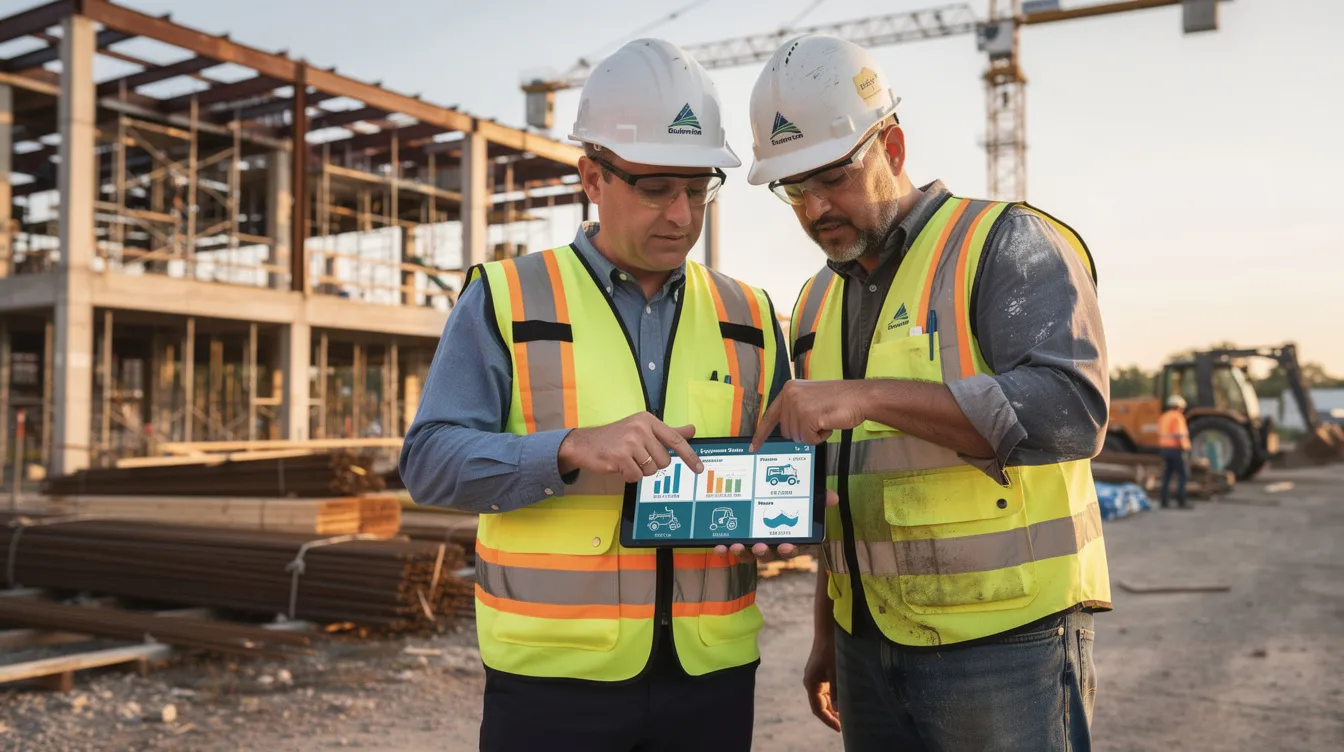
ABC Greater Tennessee serves contractors across Middle and East Tennessee and includes a Technology Committee that helps members think through digital transformation tied to safety, profitability, and project delivery. For companies exploring connected rental workflows, that matters because equipment visibility is not a stand-alone tech project. It connects directly to field execution, cost control, and management habits.
If your team is evaluating fleet management construction tools, a practical next step is to pair this article with ABC Greater Tennessee’s existing resources on digital construction tools, connected construction, and broader technology planning. From there, companies can decide whether the right move is a pilot project, an internal fleet review, or a deeper operational roadmap.
Practical Next Steps and Rollout Checklist
Connected rental technology is most useful when it leads to better equipment decisions, not just more screens.
Use this rollout checklist to start small and keep the effort practical:
- Inventory rented equipment across active projects.
- Choose one pilot project or one recurring rental category.
- Confirm what data your primary rental partner can share.
- Decide who owns the weekly review inside your company.
- Track a short list of metrics: utilization, idle time, rental duration, and service alerts.
- Review keep, move, service, or release decisions every week.
- Document what changed after 60 to 90 days.
- Expand only after the pilot proves useful to field and operations teams.
For many Tennessee contractors, that level of discipline will deliver more value than a larger rollout launched before the internal review process is ready.
Frequently Asked Questions
Below are answers to common questions about this topic.
Do I need to switch all rental providers to use connected rental technology?
No. Many contractors can start with one primary rental partner or one telematics-enabled equipment category, then expand over time if the data proves useful.
Does connected rental technology only help large contractors?
No. Smaller and mid-sized contractors can also benefit if they regularly manage rentals across multiple projects or struggle with visibility into idle time and release timing. The key is keeping the pilot narrow and actionable.
Can connected rental tools replace normal equipment oversight?
No. These tools support better decisions, but they do not replace superintendent judgment, maintenance planning, or field accountability.
What is the best first metric to track?
For many contractors, the best place to start is a simple comparison of run hours versus idle hours, paired with rental duration. That quickly shows whether a machine is active enough to stay where it is.
Where can Tennessee contractors learn more?
ABC Greater Tennessee members can explore the chapter’s technology-related resources, committees, and education programs to connect equipment visibility with broader operational improvement.