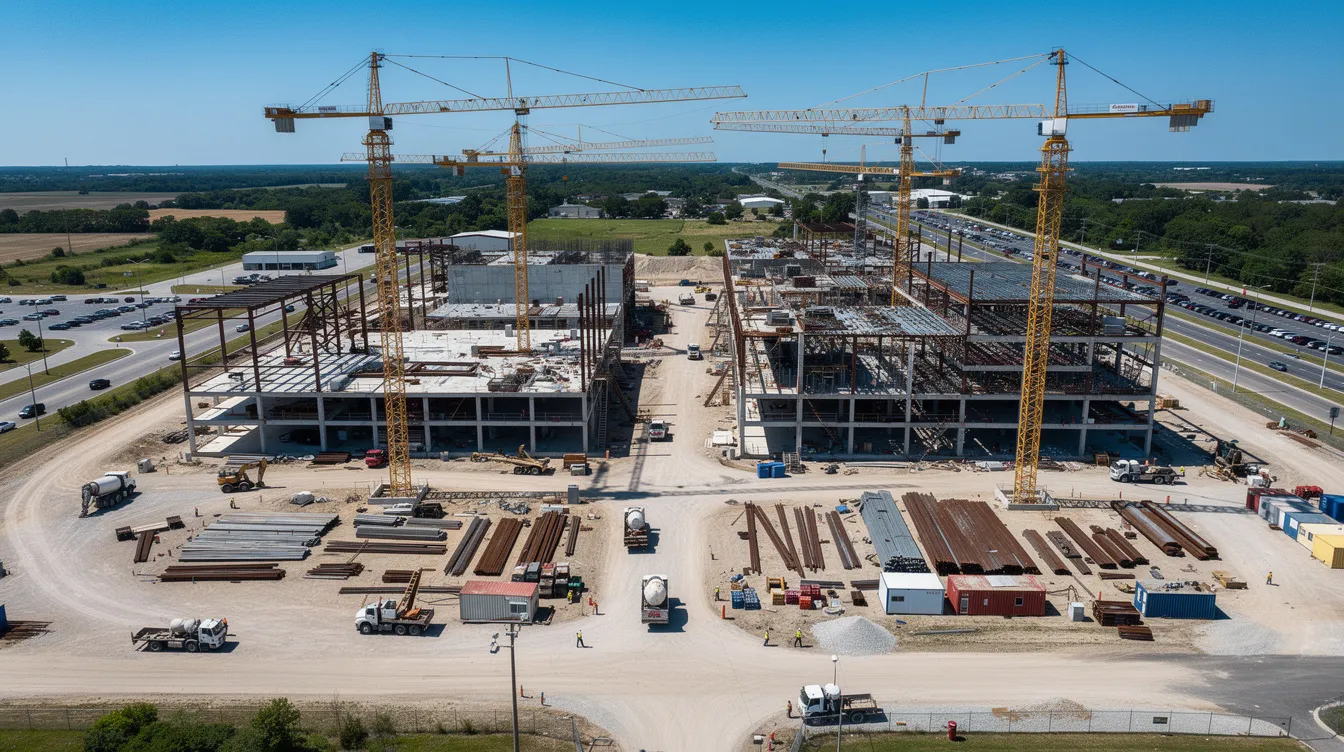

This Tennessee construction market outlook 2026 is an October briefing for contractors operating across Middle and East Tennessee. The signals are clear: work is still out there, but costs are moving, labor remains tight, and the margin for error on every bid and buyout decision is getting smaller.
Key Takeaways
- The October construction economic picture points to continued activity, but not easy profitability. National construction spending rose in August, while construction input costs remained elevated heading into the fourth quarter.
- For contractors in Middle and East Tennessee, backlog volume matters less than backlog quality. Firms should be more selective about which projects they pursue and more disciplined about how they price and buy them out.
- Higher input costs, financing pressure, and persistent labor competition mean commercial projects need closer review before teams commit crews, schedule, or working capital.
- Contractors should recheck bids, procurement timing, staffing assumptions, and owner risk now as they plan for late 2026 and early 2027.
Why October 2026 Matters for the Tennessee Construction Market
The October 2026 economic signal is less about whether work exists and more about whether booked work will still perform the way contractors expected. The U.S. Census Bureau reported total construction spending for August 2026 at a seasonally adjusted annual rate of $2,203.1 billion, up 0.9% from the revised July estimate. At the same time, September producer price data showed broad price pressure had not disappeared.
That combination matters in Tennessee. Contractors across Nashville, Knoxville, Chattanooga, and the Tri-Cities are still competing for commercial, institutional, industrial, and infrastructure work. But in a market where input costs can move faster than estimates, a healthy pipeline alone is not enough. Firms need to know which projects still fit their crews, procurement strategy, and margin targets.
This article is written for merit shop firms across Middle and East Tennessee. The core decision is practical: keep chasing volume, or protect margin on fewer, better-fit projects.
What Changed Since the September 2026 Economic Roundup
This update is most useful when it focuses on what moved since the September conversation.
- Spending improved. The latest federal release put August 2026 total construction spending at $2,203.1 billion, up from July’s revised $2,184.5 billion.
- Cost pressure stayed real. September 2026 producer price data showed continued inflation pressure, especially in energy-sensitive categories that can flow through freight, equipment, and jobsite operating costs.
- Margin discipline matters more. Even when project pipelines stay active, firms are still exposed if bids rely on stale quotes, late buyouts, or overly optimistic labor assumptions.
- Labor has not clearly loosened. Contractors should not assume a softer or more selective market will automatically make skilled labor easier to find or cheaper to retain.
For Tennessee contractors, the October takeaway is not panic. It is selectivity. Firms heading into Q4 2026 should look more closely at procurement exposure, capacity fit, and owner quality rather than treating backlog as automatically healthy.
How National Signals Translate to Middle and East Tennessee
National numbers never map perfectly onto Tennessee, but they do help frame local decisions.
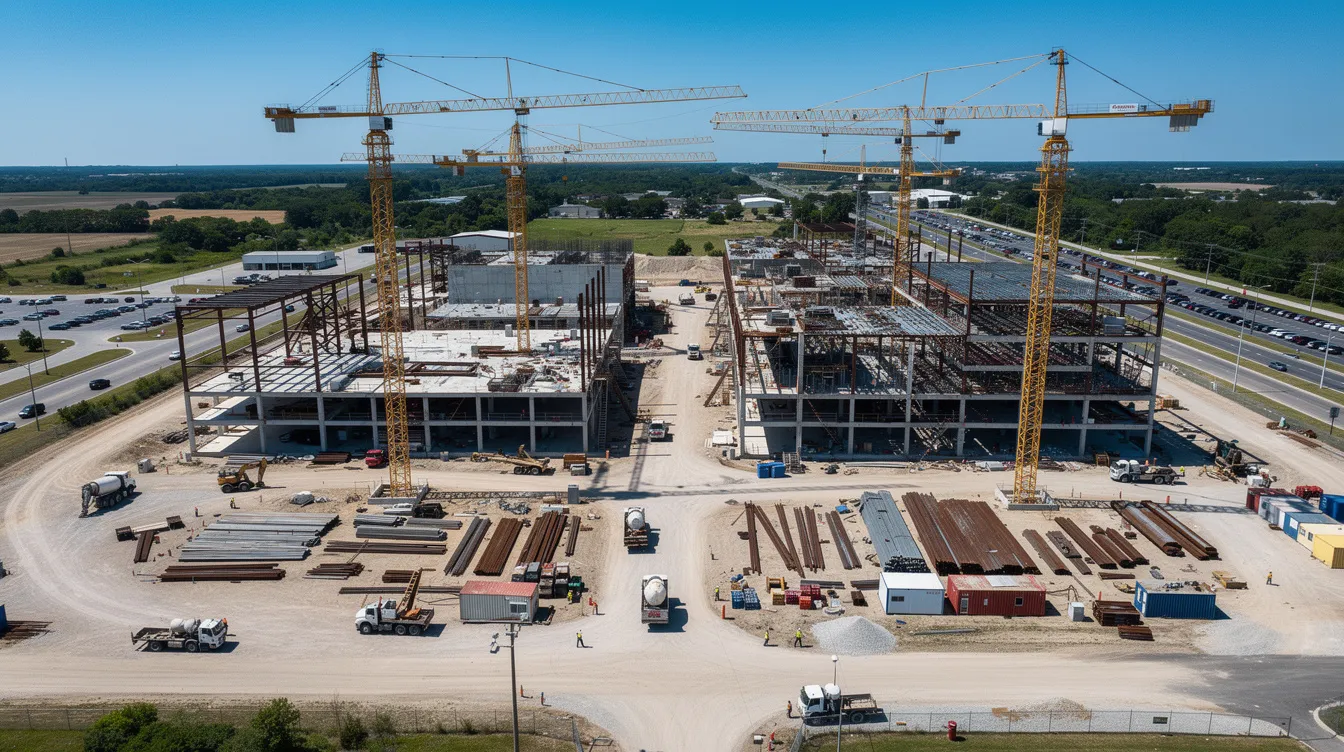
In Middle Tennessee, contractors may feel these conditions through tighter competition for well-funded commercial and institutional work, faster pressure on electrical and mechanical procurement, and more scrutiny on owner financing and schedule commitments. In East Tennessee, the same pressures may show up through industrial, infrastructure, utility, healthcare, and campus-related work rather than through the same exact project mix.
The common issue is execution risk. Across the I-40, I-75, and I-24 corridors, a contractor can stay busy and still weaken margin if crews are stretched, buyout is delayed, or key scopes were estimated on outdated assumptions. That makes October’s data more useful as a management signal than as a broad prediction.
Data Center and Mission-Critical Work Are Important, but They Are Not the Whole Market
National construction coverage has continued to highlight data center activity as a major source of nonresidential strength. Tennessee contractors should watch that trend, especially where it affects labor availability, supplier capacity, and scheduling pressure.
But this is not only a data center story. Healthcare, higher education, manufacturing, infrastructure, and other complex nonresidential segments can create the same practical challenge for contractors: multiple project types competing for the same estimators, field leaders, and specialty trades. The key takeaway is that mission-critical, high-spec work can tighten conditions for everyone, even firms that never sign a direct contract on that kind of project.
For that reason, companies should treat high-growth segments as a demand signal, not as a reason to chase every opportunity. The real question is whether a given project matches the firm’s staffing depth, contract tolerance, and procurement strength.
Backlog Is Strong Only If It Is Executable
Backlog is still a useful signal, but it can hide risk in a rising-cost environment. Contractors should review backlog through four practical lenses:
| Lens | Key Question |
|---|---|
| Margin health | Does the estimate still reflect current input costs and labor assumptions? |
| Capacity fit | Do you have the crews, supervision, and equipment to deliver without damaging other jobs? |
| Procurement status | Are long-lead or volatile packages bought out, or are you still carrying exposure? |
| Owner and financing risk | Is the project well-funded and moving, or could delay and indecision create cost drift? |
This is especially important for projects signed earlier in 2026. If those jobs were priced before the latest cost movement, they may now carry hidden exposure in electrical, mechanical, structural, or specialty equipment scopes. Leaders in Nashville, Knoxville, Chattanooga, Kingsport, Johnson City, and Bristol should rank backlog by risk, not just by revenue.
Construction Costs and Inflation Pressure in Late 2026
Some contractors hear “stabilizing” and assume pricing risk has largely passed. October’s data does not support that kind of complacency.
The Bureau of Labor Statistics reported that producer prices rose sharply in September 2026, with especially large movement in energy categories. Even when a single material line looks calmer than it did earlier in the cycle, total project cost can still rise because of freight, fuel, equipment, code requirements, schedule extension, or trade availability.
That is why Tennessee contractors should use national price indexes as context, not as direct estimating inputs. Actual pricing still depends on live supplier quotes, subcontractor coverage, project duration, and the local labor picture. For commercial work in Middle and East Tennessee, late buyout and expired quotes can do just as much damage as a headline commodity spike.
What Contractors Should Recheck Now: Bids, Buyout, and Risk
If your team is pricing or planning work for late 2026 or early 2027, this is the time to tighten assumptions.
- Recheck open bids. Review any estimate built on quotes that may no longer reflect current conditions, especially for electrical gear, mechanical equipment, steel, roofing, and specialty packages.
- Review awarded but unbought work. Focus first on scopes with long lead times or known pricing volatility.
- Revisit contract terms. Confirm that escalation language, contingencies, allowances, and schedule assumptions still make sense.
- Validate labor plans. Make sure crew assumptions match what your company can actually staff without excessive overtime or field disruption.
- Use better reporting. Technology can help teams spot drift in labor, purchasing, and schedule earlier, especially when leadership is managing multiple active pursuits and jobs.
- Bring teams together. Estimating, purchasing, operations, and field leadership should review at-risk work together instead of catching the problem after award.
Labor Planning Still Belongs in the Conversation
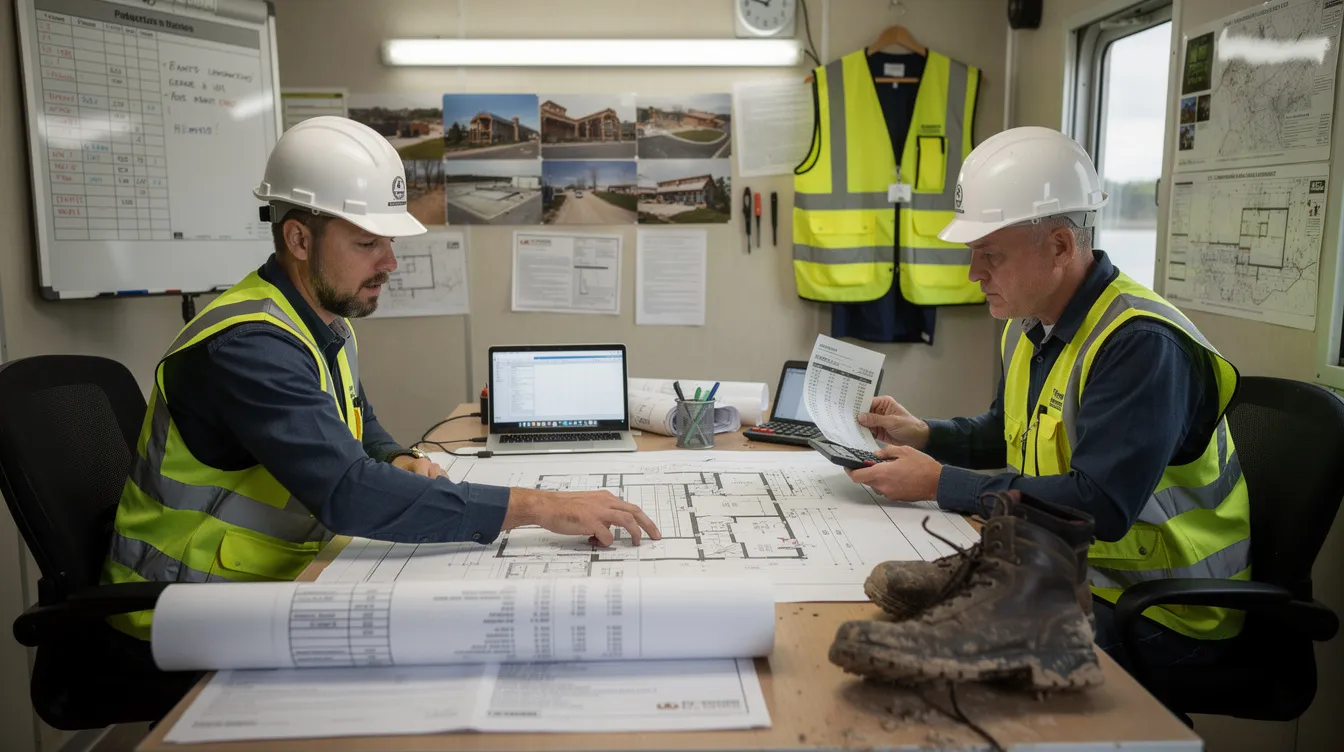
Even when the market becomes more selective, labor risk does not disappear on its own. Contractors should be careful not to assume they can add skilled workers quickly just because owners are more cautious about new starts.
In Middle and East Tennessee, firms still compete for electricians, HVAC technicians, project managers, foremen, superintendents, and other experienced craft and leadership roles. When jobs are understaffed, the result is often overtime, fatigue, rework, schedule pressure, and avoidable margin fade.
That is one reason workforce development still matters in an October market update. Contractors that align staffing plans with backlog quality and continue building their pipeline are better positioned than firms that assume the market will solve labor shortages for them. ABC Greater Tennessee’s Construction Trades Academy and related workforce programs remain relevant because they help members build capacity instead of relying only on spot hiring.
30- to 60-Day Action Plan for Tennessee Contractors
For many firms, the next one to two months matter more than broad predictions about next year.
In the next 30 days:
- Review open bids and high-exposure backlog against current supplier pricing and field capacity.
- Flag projects with assumptions that no longer look current and decide whether repricing, faster buyout, or owner discussion is needed.
- Reassess which project types best fit your company’s risk tolerance heading into Q1 2027.
In the next 60 days:
- Finalize staffing and procurement plans around the strongest portions of backlog, not simply the largest ones.
- Build a simple risk-ranked backlog scorecard for leadership review.
- Tighten internal reporting so leaders can see cost drift, labor strain, and schedule slippage earlier.
The contractors that enter 2027 in the best position are likely to be the ones that recheck assumptions now, before cost drift and staffing strain get buried inside active work.
How ABC Greater Tennessee Supports Contractors Navigating 2026 Market Conditions
ABC Greater Tennessee helps merit shop contractors interpret market conditions and respond with practical action. In this environment, the most relevant support includes workforce development, apprenticeship through the Construction Trades Academy, safety training, management education, and market-intelligence content built for firms across Middle and East Tennessee.
That matters because October’s economic signal is not just a headline. It is an operating challenge. Contractors need sharper estimating discipline, stronger workforce planning, and better visibility into where risk is building inside backlog.
Connect with ABC Greater Tennessee if your team wants support on workforce planning, training, or staying current on the construction economics shaping late 2026 and early 2027.
FAQ: Tennessee Construction Market Outlook 2026
Below are answers to common questions about this topic.
Is 2026 still a good time to pursue new commercial construction projects in Tennessee?
Yes, but with more selectivity than earlier in the cycle. Demand has not disappeared, but contractors should focus on projects with realistic budgets, reliable owners, and scopes that fit their teams well. In this market, a disciplined pursuit strategy matters more than filling backlog at any cost.
How should Tennessee contractors adjust bidding strategies for late 2026 and early 2027?
Shorten quote-validity assumptions where possible, confirm volatile pricing closer to bid date, and review escalation language and contingencies carefully. Firms should also favor opportunities where scope is clearer, and procurement planning can start early.
What does this outlook mean for smaller specialty contractors in Tennessee?
Specialty contractors can still find good opportunities, but capacity and cash flow discipline matter even more. Smaller firms should be careful about overcommitting to thin-margin work or carrying too much exposure on unbought material and equipment.
Do contractors need to change workforce plans because of the October 2026 outlook?
They should at least recheck them. This market does not suggest an easy labor reset, so firms should align hiring, training, and supervision plans with the most reliable and profitable parts of backlog rather than assuming labor pressure will fade on its own.
What is one practical step a Tennessee contractor can take this week?
Hold a focused internal review of the top at-risk bids and awarded-but-unbought projects. Update pricing assumptions, confirm labor capacity, and identify where procurement or owner communication needs to move faster.