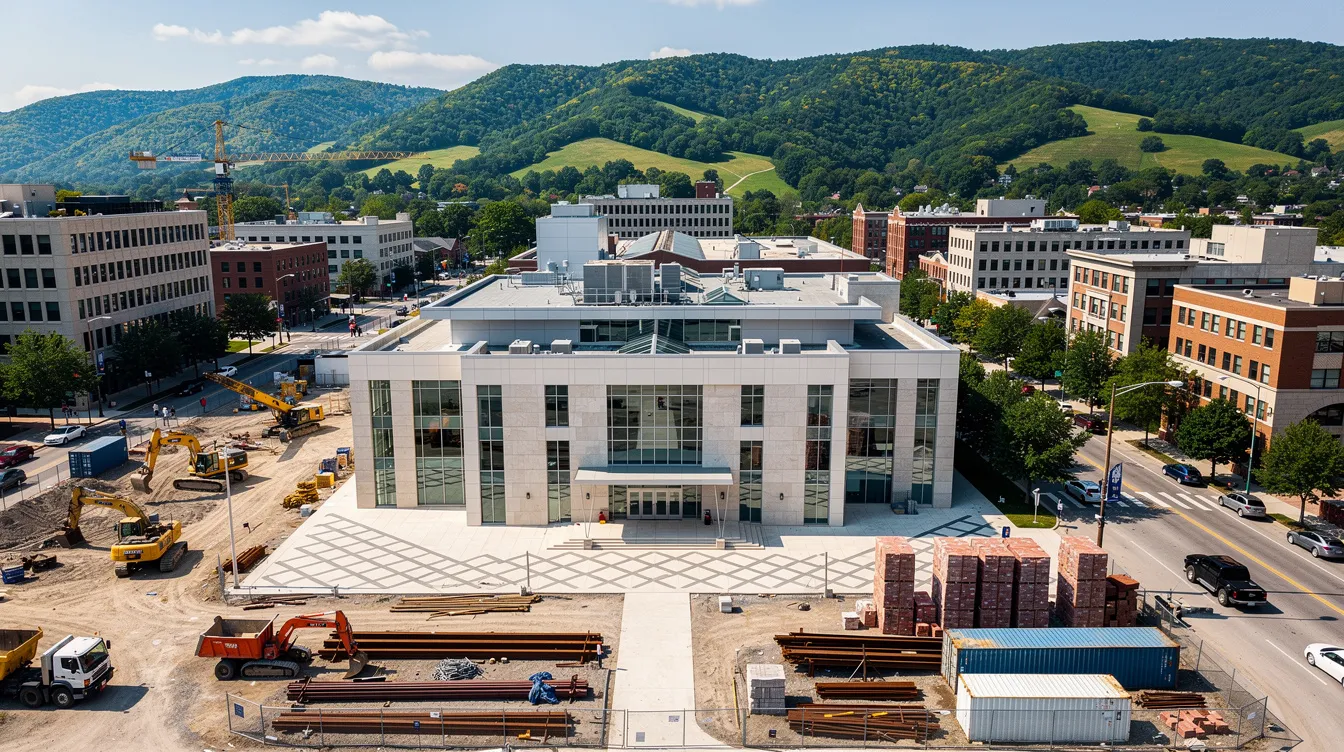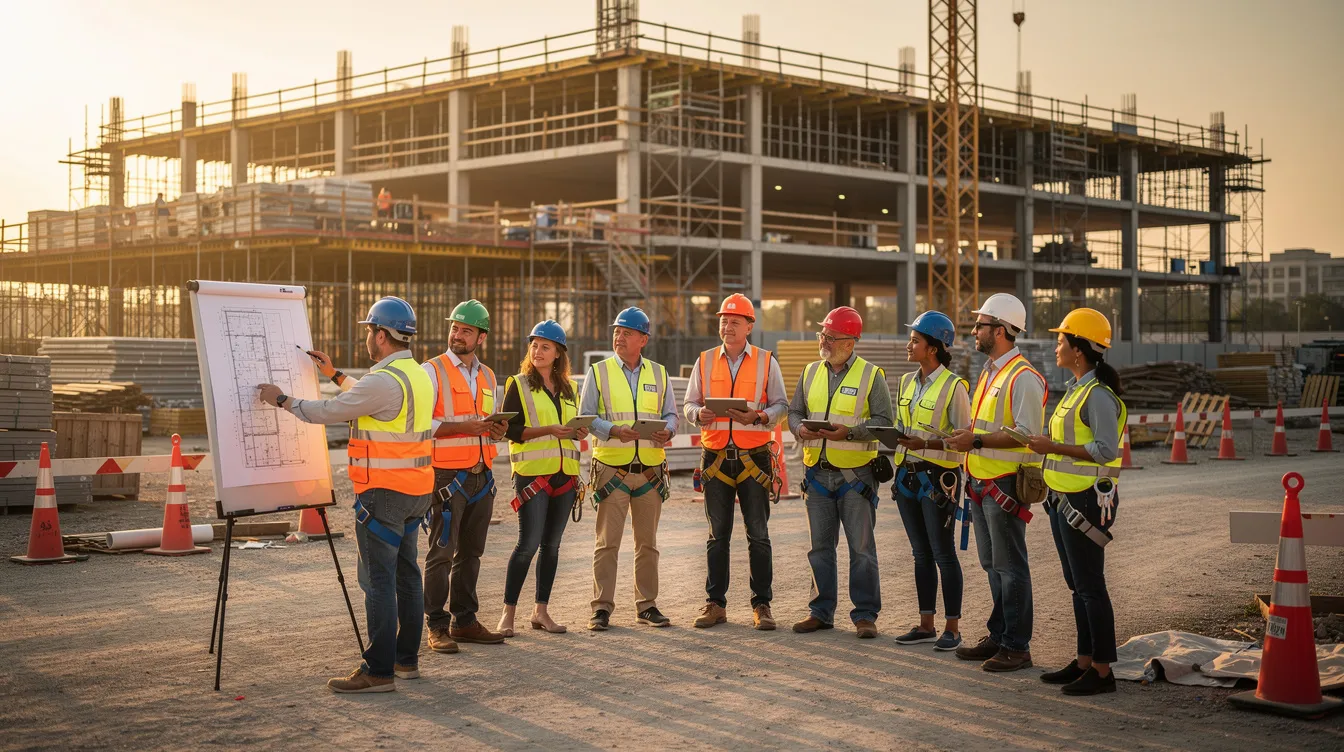


For Tennessee contractors pursuing complex civic and institutional work, the Theodore Roosevelt Presidential Library offers a practical case study in Tennessee landmark construction, including schedule discipline, exposed-finish coordination, and public accountability.
For contractors, owners, project managers, and safety leaders in Nashville, Knoxville, Chattanooga, and the Tri-Cities, the lesson is not to imitate a presidential library. Instead, study how a high-profile civic building can force teams to manage design ambition, logistics, communication, and closeout under public scrutiny.
Overview: Why the Theodore Roosevelt Presidential Library Is Worth Studying
The Theodore Roosevelt Presidential Library is in Medora, North Dakota. In a March 9, 2026 opening announcement, the library said its official grand opening would take place on July 4, 2026, aligned with the United States’ 250th anniversary.
That combination matters to Tennessee contractors. On landmark civic, institutional, and cultural work, the building itself becomes part of the owner’s message to the public. Teams have little room to hide design misses, rough coordination, or avoidable delays when the finished structure is intended to be a destination.
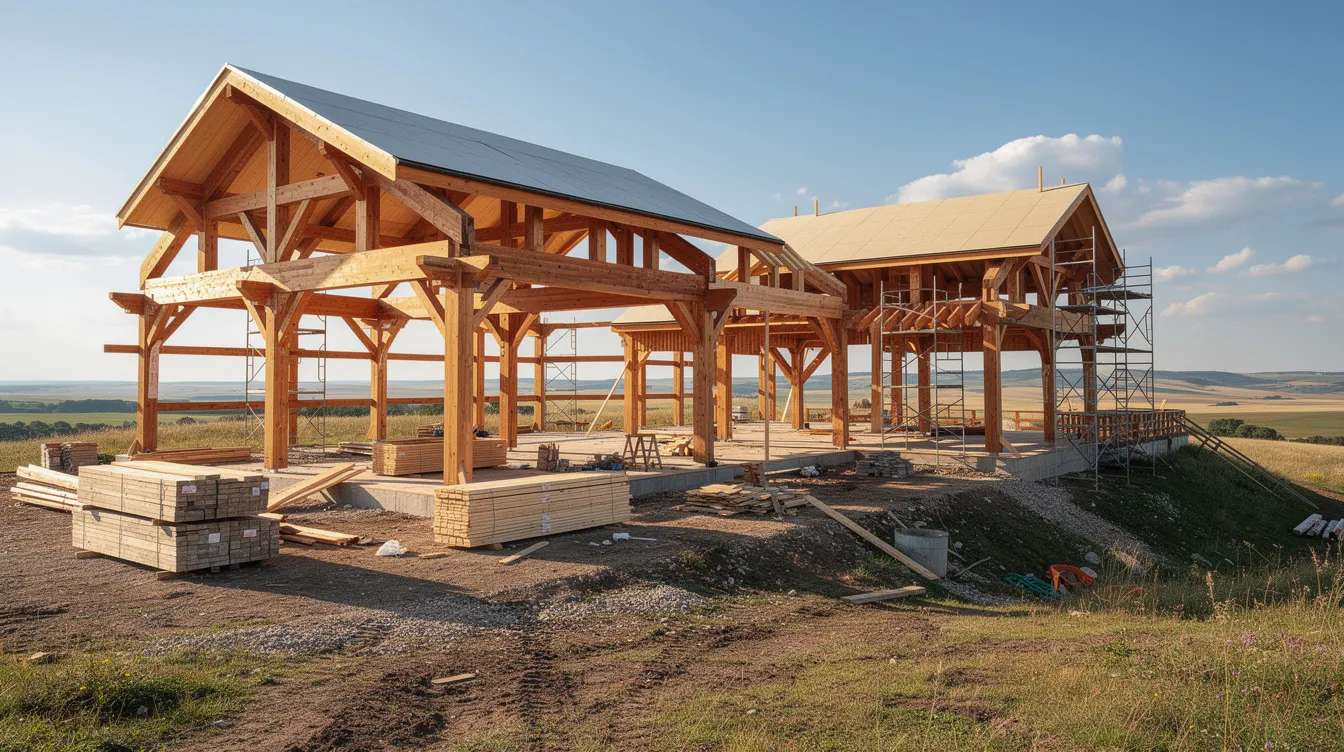
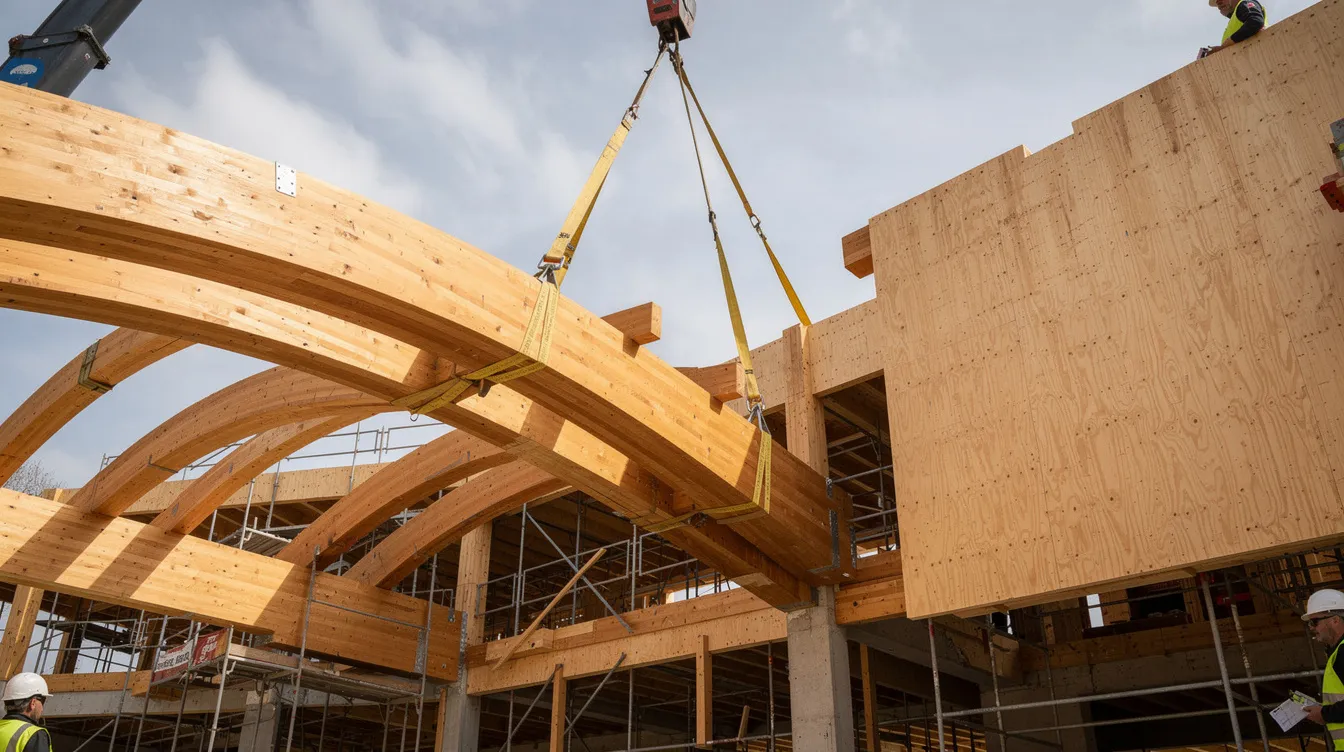
Construction Executive also reported that the project topped out on October 9, 2024, and described the main structure as a mass-timber system using glulam beams and cross-laminated timber decking. Even without overstating unverified specifications, that alone makes the project relevant to firms watching the continued growth of complex, highly coordinated building systems.
Verified Project Timeline and Public Milestones
Here are the project facts that are well supported by the available source record:
| Detail | Supported information |
|---|---|
| Location | Medora, North Dakota |
| Grand opening announced for | July 4, 2026 |
| Public timing context | Aligned with the 250th anniversary of the United States |
| Top-out milestone | October 9, 2024 |
| Structural approach reported by Construction Executive | Mass timber, including glulam beams and cross-laminated timber decking |
| Public opening features announced by the library | AI exhibits, holograms, immersive storytelling, and an “Eyes on the Stars” drone show |
North Dakota state reporting also said the opening coincided with a four-day America 250 celebration that included live entertainment, patriotic festivities, family activities, and community gatherings. That public-facing context is important because it shows the project was not just opening a building. It was opening inside a larger civic event window, where project readiness, visitor experience, and communications all matter at once.
What Tennessee Landmark Construction Can Take From This Project
The strongest takeaway for Tennessee Landmark Construction is not a specific product or delivery model. It is the management standard a project like this demands.
On a visible civic project, every gap in execution becomes easier for the owner, the press, donors, visitors, and the surrounding community to notice. That reality creates three practical pressures Tennessee contractors should recognize.
- Reputation risk lasts longer. A defect or coordination miss on a landmark building can follow a firm far beyond one closeout.
- Calendar-driven milestones matter more. Projects tied to openings, anniversaries, legislative cycles, academic terms, or public events leave less room for late decision-making.
- Documentation and communication become strategic tools. High-visibility work rewards teams that keep decisions, approvals, and progress records clear from preconstruction through turnover.
That is one reason disciplined documentation matters so much. Firms that want to strengthen that side of execution can review construction documentation practices for Tennessee contractors before the next public-facing project ramps up.
Mass-Timber Coordination Lessons Without Overclaiming the Specs
The available reporting supports a simple but important point: this project uses a mass-timber structural system with glulam beams and cross-laminated timber decking. That alone signals a level of coordination Tennessee contractors should pay attention to.
Mass timber can concentrate risk upstream. Fabrication accuracy, sequencing, moisture protection, shipping, field handling, and connection planning all matter before components ever arrive on site. When a project also features prominent architectural expression, field teams often have less tolerance for rough adjustments or improvised concealment.
That creates several practical lessons:
- Prefabricated systems reward earlier decisions. Shop drawing review, release timing, and trade coordination cannot wait until installation is near.
- Exposed structure raises the quality bar. When structure is also finished, coordination errors become visible outcomes rather than hidden punch items.
- MEP integration needs earlier alignment. Mechanical, electrical, fire protection, and low-voltage teams must work within architectural intent instead of assuming later field adjustments will solve conflicts.
For Tennessee firms building healthcare, education, civic, or other technically demanding work along the I-40, I-75, and I-24 corridors, these lessons transfer even when the next project does not use the same structural system.
Leadership Demands on a Landmark Civic Project
A project like the Theodore Roosevelt Presidential Library also highlights how much leadership discipline matters once design complexity and public expectations rise together. The owner, architect, construction manager, specialty trades, exhibit teams, and outside stakeholders all need decisions at the right time, in the right sequence, with enough clarity to keep procurement and field work moving.
That does not require importing unrelated public-works rules into the article. It does require recognizing what strong leadership usually looks like on high-visibility work:
- Clear decision ownership. Teams need to know who approves visible finishes, design changes, sequencing shifts, and public-facing updates.
- Early escalation of risk. If a long-lead item, finish mockup, or interface detail threatens the schedule, leadership has to surface it early.
- Consistent alignment between field and management. Superintendent, project manager, and executive expectations have to match when the project is operating under a date certain.
For firms that want to sharpen those preconstruction and execution controls, construction leadership risk management is a relevant companion topic.
Closeout and Opening Readiness on Public-Facing Work
One of the most useful lessons from this presidential library case study is that closeout on landmark work is not just about finishing a punch list. It is about opening readiness.
Because the library publicly promoted immersive exhibits, AI-driven experiences, holograms, and a choreographed drone-show celebration, turnover on a project like this likely depended on much more than basic building occupancy. It also depended on commissioning, sequencing, event readiness, and coordinated public communication.
Tennessee contractors can apply that lesson directly. On a public-facing civic or cultural project, closeout planning should account for:
- Visitor-facing spaces first. Prioritize areas that shape first impressions and public circulation.
- Integrated system testing. Coordinate building systems, exhibit systems, technology interfaces, and life-safety functions early enough to resolve issues before opening activities begin.
- Single-source communications. Assign a clear point of contact for owner updates, schedule messaging, and public-facing milestone communication.
That same mindset pairs well with an internal project delivery risk screen so teams are reviewing quality, staffing, and milestone reliability before a problem reaches the opening calendar.
Applying the Lessons to Middle and East Tennessee Projects
The Tennessee application should stay practical. The point is not that a library in North Dakota matches a project in Nashville or Knoxville one-for-one. The point is that Tennessee contractors increasingly work on projects where design expectations, schedule sensitivity, public interest, and technical coordination all converge.
That may include civic buildings, museum or visitor-oriented work, higher-education projects, healthcare expansions with public visibility, or signature developments in fast-growth corridors. In those settings, the Theodore Roosevelt Presidential Library reminds us that landmark construction puts unusual pressure on ordinary management habits.
The firms most likely to perform well on that kind of work are usually the ones that:
- lock down milestone planning early,
- treat documentation as risk control rather than paperwork,
- coordinate exposed or design-sensitive elements before field conflicts appear, and
- prepare closeout as a staged opening process rather than an end-of-job scramble.
Safety discipline also remains part of that equation, especially when trade stacking, public visibility, and compressed turnover windows start to overlap. ABC Greater Tennessee members looking to strengthen that side of execution can review construction safety management strategies as part of broader project readiness.
Checklist: Questions Tennessee Contractors Should Ask Before Pursuing Landmark Civic Work
Before pursuing the next high-visibility project, Tennessee leaders can use this case study to pressure-test their own readiness:
- [ ] Are the project’s opening date and public milestones realistic, clearly defined, and built into the schedule?
- [ ] Have we identified every exposed or design-sensitive element that will demand mockups or early approvals?
- [ ] Are procurement decisions happening early enough for prefabricated, custom, or hard-to-replace components?
- [ ] Do our documentation systems capture design decisions, field conditions, and owner approvals clearly enough to withstand public-pressure scenarios?
- [ ] Is one person clearly responsible for owner-facing and public-facing milestone communication?
- [ ] Have we planned closeout around opening readiness, not just substantial completion?
- [ ] Are safety, staffing, and quality controls strong enough to hold up under a date-driven finish?
Conclusion: Lessons Tennessee Contractors Can Take From the Theodore Roosevelt Presidential Library
The Theodore Roosevelt Presidential Library is not a Tennessee project, but it is a relevant one for firms thinking seriously about Tennessee landmark construction. Its public timeline, mass-timber structure, and opening-day visibility remind us that landmark work raises the standard for coordination, communication, and closeout.
For ABC Greater Tennessee members, the next step is straightforward: use this case study to review one current or upcoming public-facing project. Check whether your milestone plan, documentation process, procurement timing, and turnover strategy are strong enough for a project judged in full public view.
If your team wants to strengthen those capabilities, connect with ABC Greater Tennessee for leadership education, safety resources, and member programs that support stronger project execution across Middle and East Tennessee.