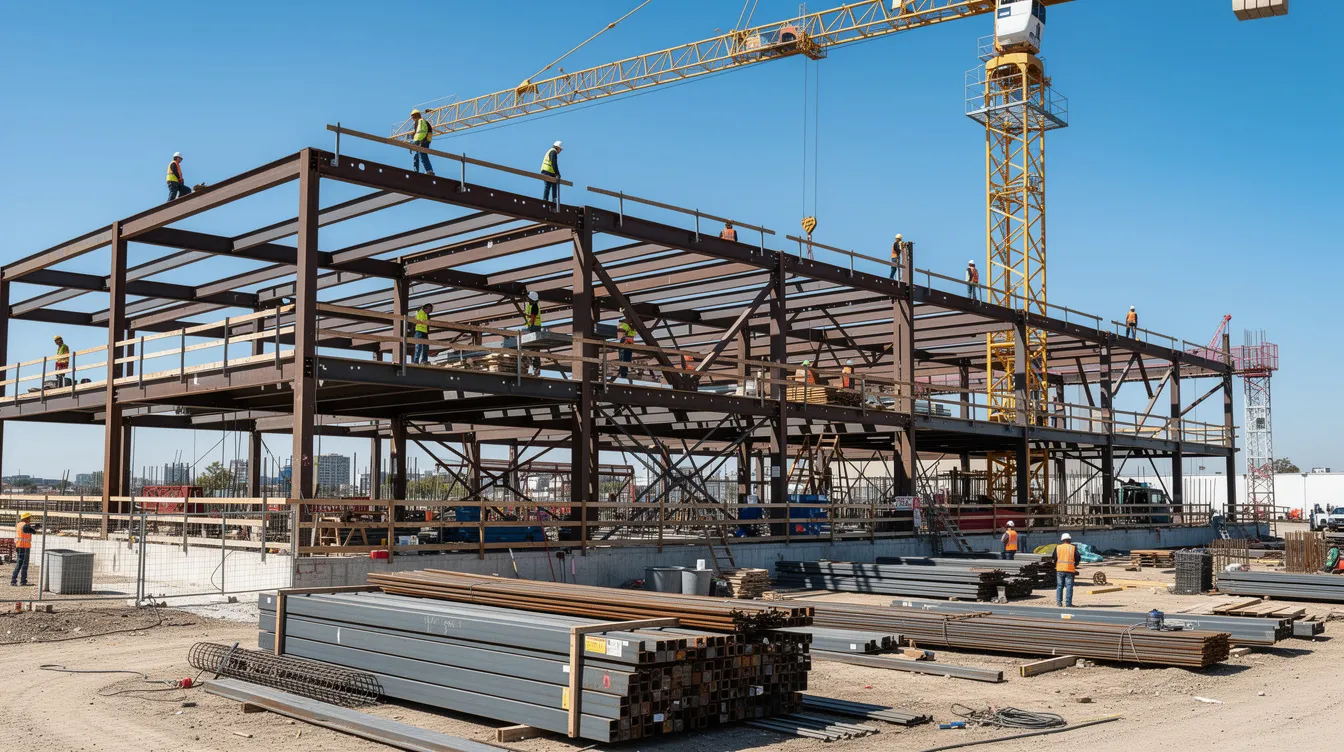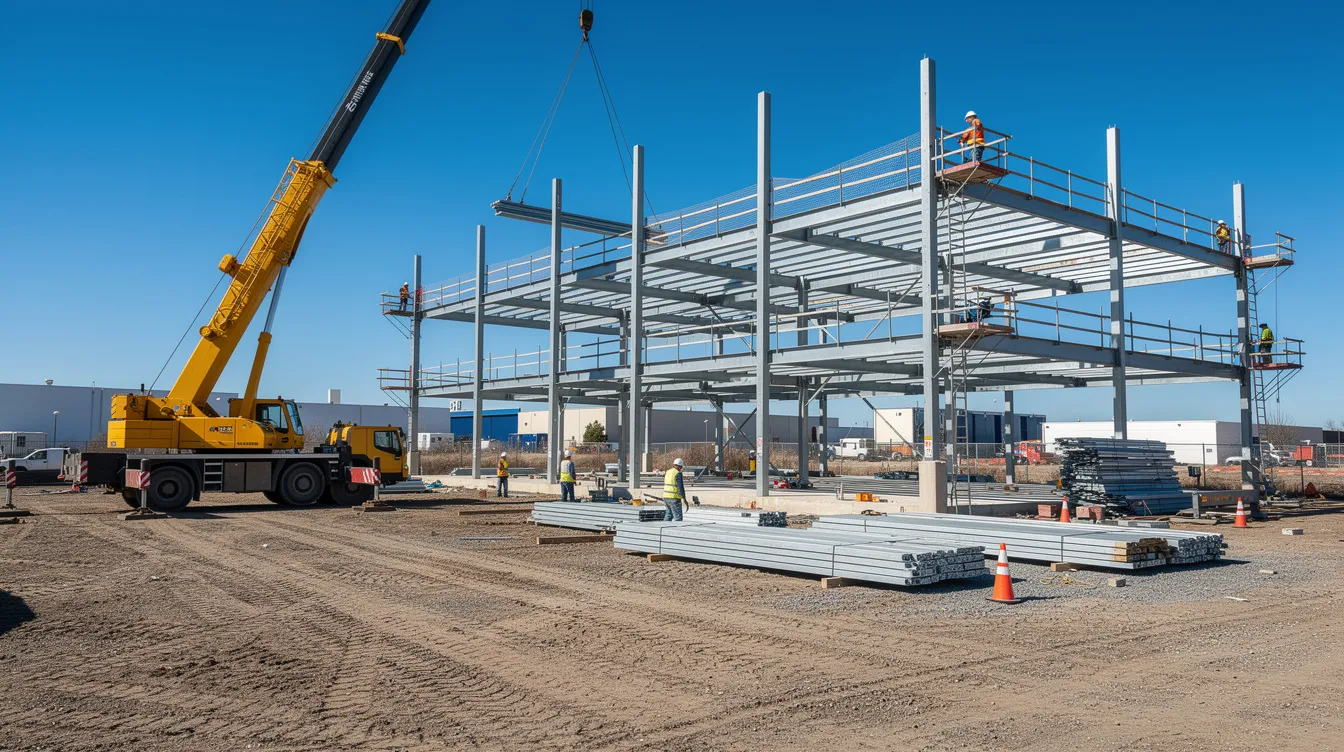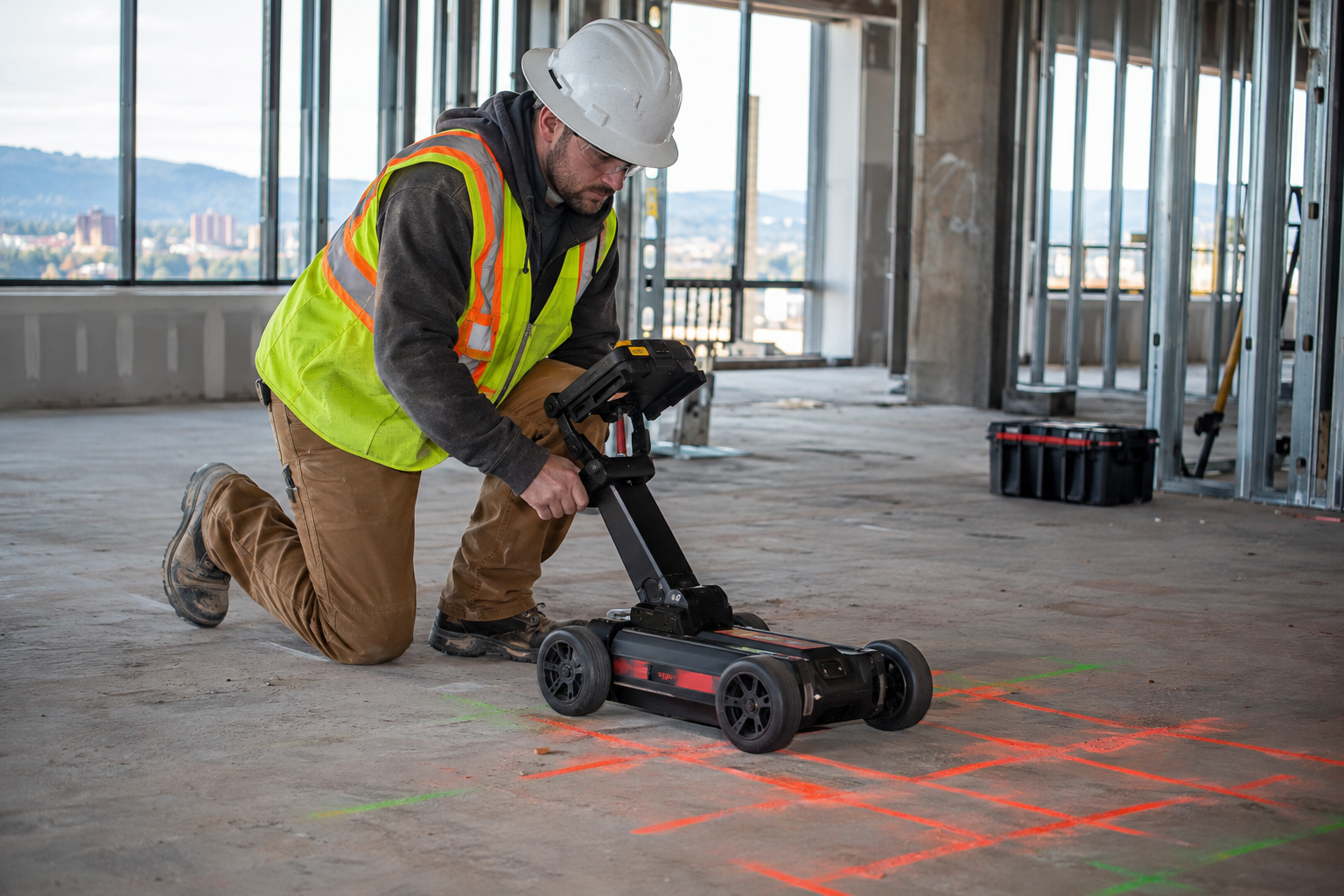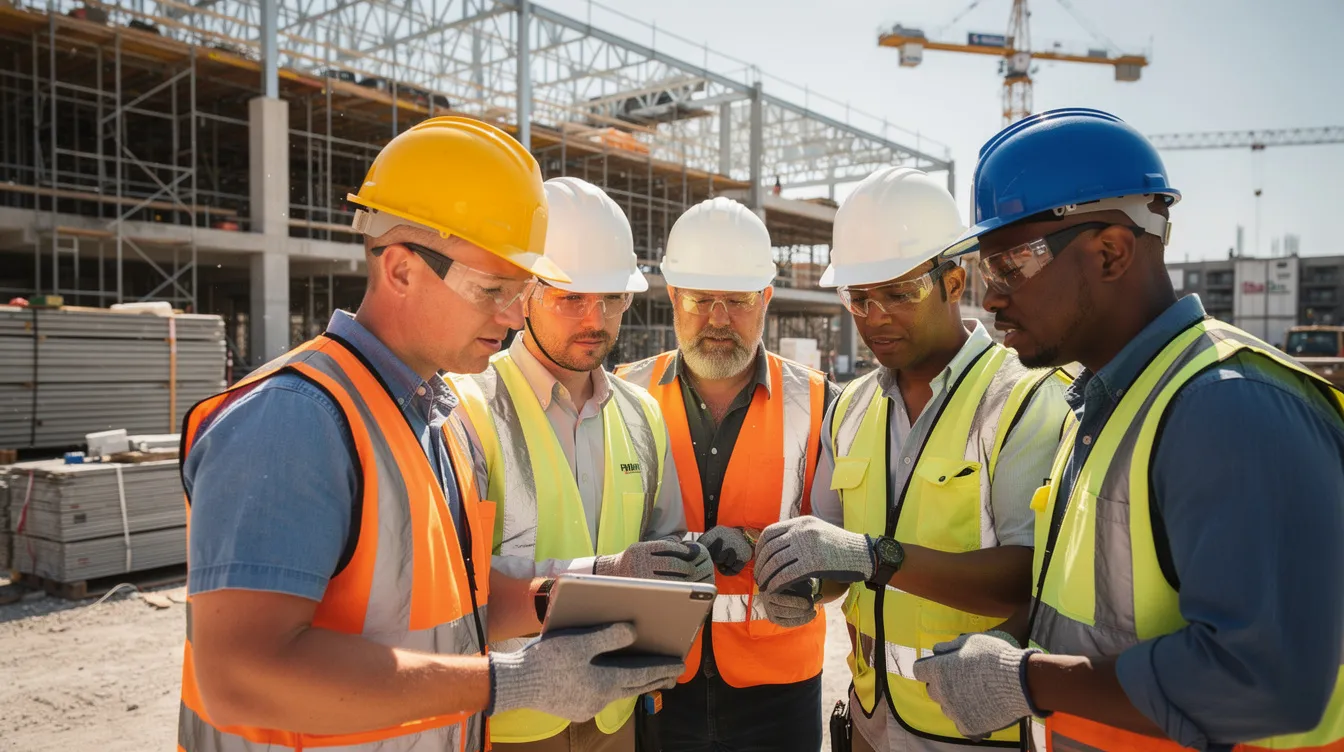

Construction safety training on Tennessee job sites has entered a new era, and cranes are where old assumptions break down fastest. Across Middle and East Tennessee, commercial contractors are managing more critical lifts on tighter footprints, with more software in the planning chain than even two years ago. Globally, the construction industry accounts for over 340 million annual occupational accidents, and crane operations remain one of the highest-consequence activities on any project. Tennessee recorded 29 construction fatalities in 2024, and while not all involved cranes, the categories that did (transportation incidents, falls, struck-by events) signal persistent risk that basic compliance alone will not solve. This article lays out a practical crane training playbook for contractors in Nashville, Knoxville, Chattanooga, and the Tri-Cities who need to keep critical lifts safe, productive, and compliant as job sites grow more complex.
The New Risk Environment on Tennessee Construction Sites
Several converging forces are making crane operations harder to execute safely across the region:
- Denser jobsite layouts. Nashville’s urban infill and healthcare expansion, Knoxville’s industrial and logistics growth, and Chattanooga’s bridge and infrastructure retrofits all compress laydown areas, reduce outrigger clearance, and increase contact risk with overhead utilities.
- Compressed schedules. Contractors under tight deadlines sometimes combine picks or schedule critical lifts in off-hours, increasing fatigue exposure. Fatigue, stress, heat stress, and health issues contribute to 40% of construction incidents.
- Mixed crews and turnover. With an estimated 500,000 U.S. construction jobs remaining unfilled by 2026, workforce shortages force rapid onboarding. Apprentice and early-career construction workers may operate near lifts without full hazard awareness, and frequent subcontractor turnover erodes consistent communication.
- Insurance pressure. Insurance premiums have climbed 15-20% annually due to claims, making every incident more expensive and every avoided incident more valuable.
Project types raising complexity include hospital expansions along the I-40 corridor, manufacturing facilities in East Tennessee, and infrastructure work across the I-75 and I-24 corridors. Each demands more critical picks, more interface points, tighter coordination around heavy equipment operations, and stronger safety management.
What Is Changing: Technology, Coordination, and Risk Management
Digital tools are reshaping how teams plan and monitor lifts. BIM models now simulate crane pick paths and detect clashes with structures, utilities, and temporary supports before crews extend a boom. Drones enhance site surveys and improve worker safety by providing aerial views of obstructions and staging constraints that ground-level walkthroughs miss. Scheduling software integrates lift planning into the master project schedule, flagging crane availability, site access, and rigging readiness.
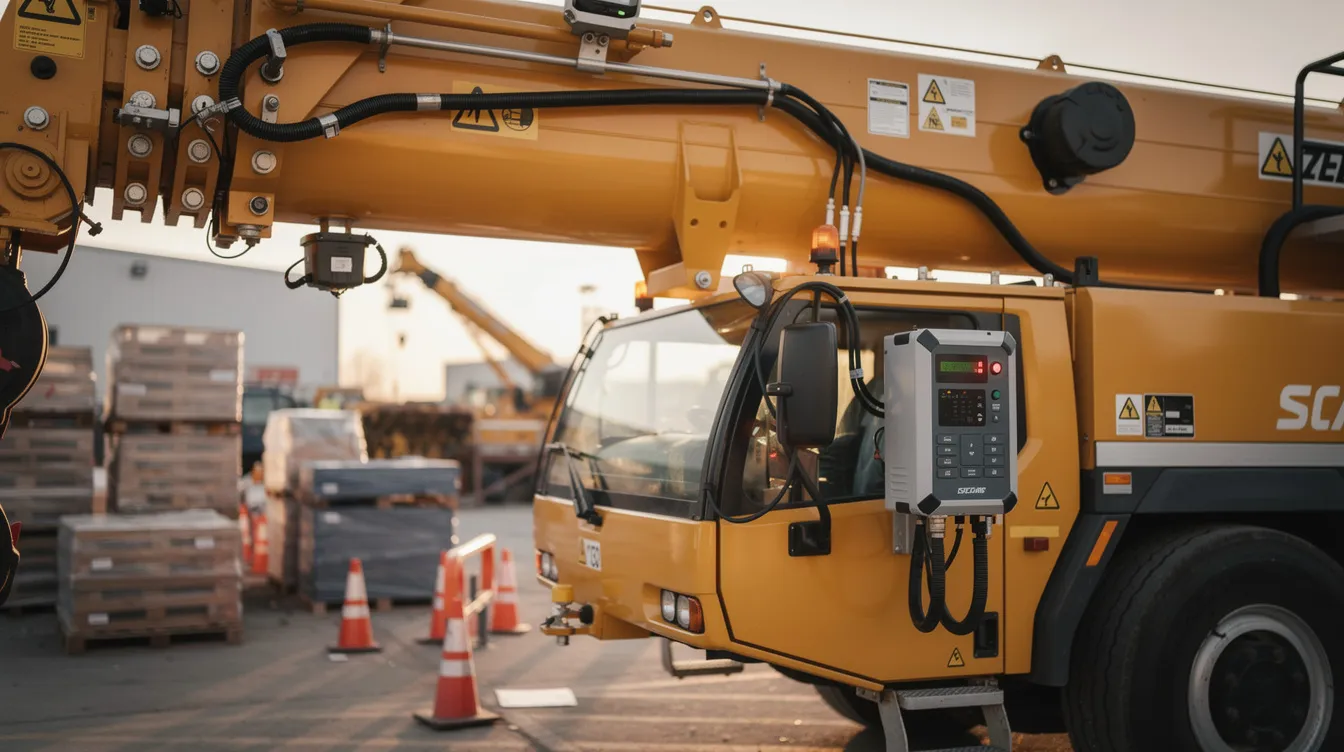
On the equipment side, anti-collision systems, telematics, and load-monitoring sensors generate real-time data on boom angle, load weight, radius, and swing. AI systems provide real-time alerts for missing PPE and unsafe proximity to active lift zones. Wearable technology can detect worker fatigue and falls, while digital tools also strengthen hazard identification by surfacing risks crews may not catch early. Predictive analytics forecast potential safety incidents by analyzing historical lift data, sensor logs, and environmental conditions to flag high-risk windows before they arrive.
Digital safety tools are part of a comprehensive approach to site safety, but they support real risk reduction only when the workforce is trained to use them. The gap between technology adoption and field competence is where accidents happen.
What Tennessee Construction Companies Need From a Modern Playbook
Construction safety managers develop site safety plans for each project, and crane lifts demand the most detailed planning of all. A modern playbook should include:
- Pre-lift digital coordination. Share all lift plans (BIM routing, rigging, site constraints) in an approved digital format with verified revision control. Everyone involved should work from the same version.
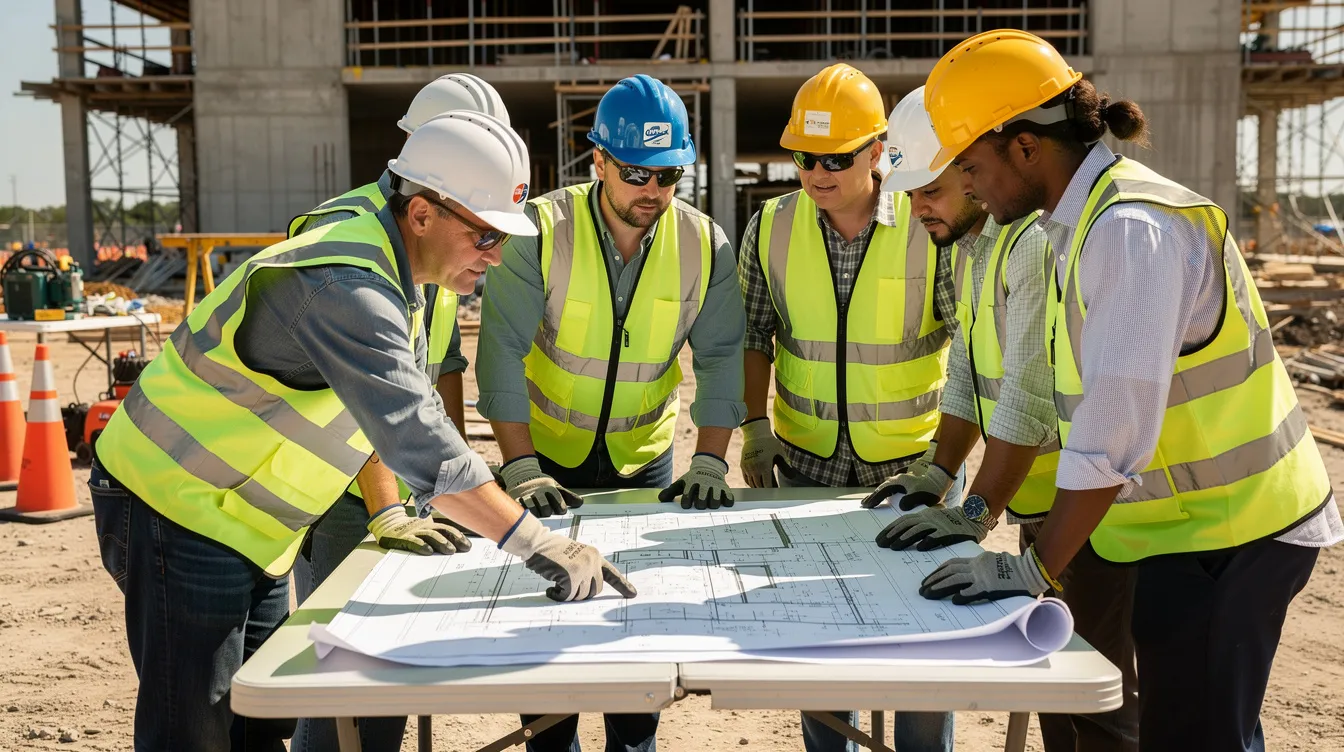
- Joint training. Operators, supervisors, riggers, signal persons, and nearby trades must train together. Effective training includes site-specific risk assessments that reflect the project’s needs, not just generic hazards or classroom modules delivered in isolation.
- Documented lift permits. Each permit should record hazard analysis, certified operator and rigger names, material weight, radius, path, exclusion zones, and overhead hazards, all tied to digital jobsite records.
- Exclusion zones and handoff procedures. Define areas where non-authorized personnel must stay clear. Signal persons and operators must confirm communications protocols (radio, hand signals) before every pick.
- Routine rigging competence checks. Verify slings, hooks, and hardware meet rated capacity. Training on proper equipment use reduces risk of mechanical and human error.
- Multi-language materials. Multi-language training materials ensure comprehension across diverse workforces, particularly on large Nashville and Knoxville projects with broad labor pools.
Workers should receive training before performing hazardous tasks for safety compliance, not after a near miss forces the conversation.
Construction Safety Training That Supports OSHA Compliance
OSHA requires proof of safety training for construction workers, and crane operations carry some of the industry’s most specific regulatory compliance obligations. Under 29 CFR 1926 Subpart CC, operators must hold accredited certification, and signal persons and riggers must be qualified. Training programs must comply with OSHA’s mandated safety requirements and documented OSHA requirements for construction, and construction safety managers must comply with safety regulations and codes at every level.
Integrating OSHA training into the crane playbook means:
| Requirement | Training Action |
|---|---|
| Operator certification (Subpart CC) | Verify current certification; schedule recertification before expiration |
| Signal person qualification | Qualify in hand and voice signals per OSHA standard |
| Rigger qualification | Demonstrate competency in rigging hardware and load calculations |
| Inspection documentation | Log daily, frequent, and periodic inspections digitally |
| Hazardous materials handling | Include HazCom, spill prevention, and containment in crane plans involving volatile substances |
Regular training helps construction companies meet OSHA standards and avoid costly fines. OSHA also offers a 24-hour fall prevention training course that applies to many crane-adjacent trades. Basic safety orientation for construction costs as little as $20 per individual, making the barrier to entry low and the cost of skipping it indefensible. Real-time data collection is essential for demonstrating compliance during audits and owner prequalification reviews while supporting broader safety and health goals beyond basic compliance.
Training Modalities: From Simulator to Site
Effective construction safety training prioritizes active learning and regulatory compliance through a blended model:
- Classroom or online modules covering regulations, load charts, and equipment fundamentals.
- Simulator and VR scenarios for critical or high-risk lifts in a zero-consequence environment.
- On-site practical training with documented competency verification.
Training should be practical and include demonstrations and hands-on practice. Hands-on training helps workers build confidence in applying safety procedures correctly, especially for newer operators facing unfamiliar equipment or site conditions. Short, frequent refreshers outperform rare full courses; regular refreshers help maintain safety awareness throughout the project lifecycle.
Simulators, Telematics, and Predictive Analytics
Simulator training sharpens situational awareness. Studies of tower crane operators using VR show measurable cognitive improvement: operators shift from random search strategies to systematic planning with better attention to adjacent hazards. The NASP Certified Safety Manager course takes approximately 40 hours to complete, and 90% of construction safety managers hold a Bachelor’s degree, but simulator hours can accelerate practical competence for operators at every education level.
Telematics data from mobile cranes (boom angle, load, radius, movement patterns) enables after-action reviews and operator coaching, identifying unsafe practices or near misses that would otherwise go unrecorded. Predictive analytics support lift sequencing decisions by flagging times when a crane may operate near maximum capacity or during adverse weather.
Field Tabletop Exercises and Live Mock Lifts
Before any critical or high-risk lift, run a tabletop rehearsal with the operator, rigger, signal person, site safety manager, and affected trades. Walk through every step, identify potential hazards, and assign corrective actions. Emergency preparedness drills minimize injury severity during actual emergencies, and rehearsals serve the same function for lift operations. Document corrective actions after every mock lift and share findings across construction sites to prevent repeat mistakes.
Safety Culture and Leadership: Embedding New Practices
Safety culture connects to daily decision-making, not just annual training events. Ongoing education shifts safety to a shared core value among workers on site, but only when leadership reinforces it consistently. Supervisory training is essential to enforce safe procedures and influence workplace safety, particularly around crane operations where a single lapse can be catastrophic.
Key practices for construction firms:
- Supervisor digital literacy. Foremen and superintendents must read digital drawings, verify BIM revisions, and use lift-planning software. In this context, leadership means understanding the tools your crews rely on.
- Peer observation and near-miss reporting. Workers should understand hazard reporting processes without fear of retaliation. Behavior-based safety programs succeed when observation is constructive, not punitive.
- Accountability. Supervisors must be empowered to pause lifts when conditions change or plans are outdated. Effective training promotes accountability and communication among workers and management at every level.
How Better Construction Safety Training Protects Productivity
Training reduces workplace injuries, fatalities, and workplace accidents by equipping workers to identify hazards, and the productivity gains are equally tangible:
- Fewer stoppages. Properly planned lifts with ready staging areas and defined exclusion zones eliminate last-minute rerouting. Fewer accidents reduce workers’ compensation claims and minimize project delays.
- Reduced rework. Load misplacement and structural damage drop when operators have practiced swing control and path clearance in simulation before arriving on site.
- Schedule certainty. On Nashville healthcare projects or Knoxville industrial builds where crane time is a gating activity, delays from lift incidents ripple through finish trades for days or weeks. Hazard recognition training teaches workers to spot unsafe conditions before accidents derail the schedule.
Construction companies participating in structured safety programs like STEP have documented recordable incident rate reductions of up to 85%, translating directly to lower EMR scores, reduced insurance costs, and stronger prequalification profiles with general contractors.
Addressing Specific Hazards: Hazardous Materials and Site Interfaces
Crane plans must include hazardous materials protocols when lifts involve volatile containers, chemical storage tanks, or environmental materials. Workplace safety around these picks requires HazCom compliance, spill prevention, secondary containment, and communication with environmental oversight.
Lifts near confined spaces, active traffic, pedestrians, or power lines demand integrated exclusion zones with flagging, signage, and barricades. Clear emergency response protocols enhance job site safety for every trade working near active crane operations. Environmental conditions (wind speed, lightning, ground stability for outriggers) must be documented in lift permits, with weather thresholds that trigger automatic holds.
Continuing Education, Certification, and Workforce Development
The 2025 Construction Industry Safety Challenges Report highlights workforce shortages as a compounding risk factor. Protecting workers and maintaining occupational safety require a tiered approach to professional development:
- Tiered operator progression. Apprentice, journeyman, and advanced tracks for mobile crane, overhead crane, tower crane, signal person, and rigger certifications. Certified Safety Manager training takes approximately 40 hours to complete, offering a structured path for safety professionals seeking formal credentials.
- Apprenticeship alignment. ABC Greater Tennessee’s Construction Trades Academy provides NCCER-accredited, registered apprenticeships in trades including Electrical, Carpentry, Plumbing, and HVAC. Integrating crane safety and rigging modules into these programs ensures pipeline readiness from day one.
- Continuous improvement. Regular updates to training modules are necessary to reflect new technologies and regulations. Continuous program evaluation helps identify training gaps and improve safety performance. Frequent toolbox talks effectively reinforce safety training messages between formal courses.
Continuing education is not a luxury; it keeps safety standards current as emerging technologies reshape how construction projects are delivered.
Compliance, Inspection, and Documentation Playbook
A documentation system built for modern crane operations includes:
- Real-time digital logs for every lift: boom extension, limit switch tests, load chart confirmation, rigging inspections, and environmental conditions. Real-time location tracking of personnel near active lift zones adds another layer of verification.
- OSHA inspection readiness. Maintain records of operator certification, daily and periodic safety inspections, maintenance logs, and corrective actions. Safety data should be accessible in minutes, not filed in trailers.
- Lift-incident investigation templates. Capture sequence of events, witness statements, photographs, sensor data, root cause analysis, and preventive steps. Share findings across all construction sites to identify patterns and prevent recurrence.
Regional Implementation Roadmap for Middle and East Tennessee
For construction managers and safety managers looking to act now, a 90-day audit and update plan provides structure:
- Month one. Inventory all large lifts planned in Nashville, Knoxville, Chattanooga, and the Tri-Cities. Review crane training precedents, lift permits, plan versions, and safety documentation for each. Identify gaps where existing training courses cover only basic compliance and don’t address technology, simulators, or digital coordination.
- Month two. Launch pilot projects on two high-complexity sites (for example, a hospital expansion in Nashville and an industrial facility in Knoxville) using the updated playbook: digital lift planning, tabletop rehearsals, enhanced documentation, and joint crew training.
- Month three. Scale lessons across the I-40, I-75, and I-24 corridors. Standardize templates for lift permits, digital logs, and mock lift protocols for all member construction firms.

Calls to Action and Internal Linking Plan
ABC Greater Tennessee’s Safety Programs hub connects contractors to the safety training resources, OSHA training, and risk management tools that support this playbook. For firms evaluating how technology changes field communication and planning, the technology in construction roadmap provides tactical guidance. Digital safety tools for construction bridge crane training to broader site safety practices. And for construction companies ready to formalize their safety culture, the STEP safety program offers a structured path to recognition and reduced risks across every project.
Practical Next Steps for Contractors
The playbook only works if you act on it. Here is what to do this quarter:
- Audit current crane-training content this month. Identify where your safety programs address only basic safety training and where they need to incorporate digital coordination, simulator time, and site-specific risk assessment.
- Run a tabletop lift rehearsal on a near-term project. Pick your most complex upcoming lift, gather all involved parties, and rehearse. Document what you find.
- Enroll supervisors in targeted OSHA training next quarter. Focus on crane-specific modules and ensure compliance with worker health and safety expectations for every active site.
- Contact ABC Greater Tennessee for STEP and training support. The free enterprise model rewards construction firms that invest in their people. Companies that create safer, more coordinated job sites win more work, retain better crews, and build the kind of reputation that general contractors and project managers want on their projects.
Enhancing site surveys, strengthening rapid responses to changing conditions, and embedding well-being into the daily rhythm of work are not aspirational goals. They are operational necessities for every contractor competing in Tennessee’s growing construction market.
Sources, Verification, and Pre-Publish QA
All OSHA rules referenced align with current 29 CFR 1926 Subpart CC and 29 CFR 1910.179 standards. Tennessee fatality data reflects the most recent Bureau of Labor Statistics release for 2024. The primary keyword, construction safety training, appears in the opening paragraph, subheadings, and body text per SEO requirements. Industry research referenced in this article draws from reporting by Construction Executive and data from ABC National’s STEP program documentation.